
CONTACT US for a free quote
Plan Your Medical Procedure with Our Dedicated Care Team

Excellent reviews

1500+ Happy Clients

Free cost indication
Oops! Something went wrong while submitting the form.

Get world-class care at vetted and accredited hospitals in Thailand.
Save up to 80% with internationally trained surgeons and state-of-the-art facilities.
Thailand has become a leading destination for Facial Masculinization Surgery, with JCI-accredited hospitals offering comprehensive FMS packages at costs 60-75% lower than Western countries. Surgeons at specialized gender-affirming centers perform 150+ FMS procedures annually using custom implants, virtual surgical planning, and craniofacial techniques, and trans men from the US, UK, and Australia choose Bangkok for this combination of surgical volume, specialized expertise, and immediate scheduling.
Facial Masculinization Surgery costs $8,000-$20,000 in Thailand for comprehensive packages (jaw augmentation, chin contouring, forehead procedures, rhinoplasty, Adam's apple enhancement) compared to $20,000-$50,000 in the US for surgery fees alone. Surgery dates available within 3-4 weeks at hospitals with dedicated FTM surgical teams, without the months-long wait times common in Western gender-affirming care.
Please note that the prices provided are estimations and may vary based on various factors. Additionally, these prices do not include flights or accommodation.
All prices are in USD, unless otherwise indicated.
Facial Masculinization Surgery enhances traditionally masculine facial features that hormone therapy alone cannot change. Testosterone produces significant changes (facial hair growth, skin texture, fat redistribution) but does not alter bone structure. FMS addresses skeletal features defining facial masculinity:
Upper face (forehead and brow):
Mid-face (nose, cheeks, eyes):
Lower face (jaw, chin, neck):
FMS surgically modifies these features through bone work, implants, and soft tissue procedures.
Forehead lengthening and augmentation: Increases distance between eyebrows and hairline. Surgeon removes strip of hair-bearing scalp, pulls hairline backward, creating higher forehead. Can combine with brow ridge implantation. Requires careful planning around existing hairstyle—receding hairline, short hair, or bald patients need different approaches to hide scarring.
Brow ridge augmentation: Creates prominent supraorbital ridge above eyes. Surgeon places custom implant or uses bone grafts to build out brow bone. Incision typically at hairline or within scalp. Most masculinizing single procedure—prominent brow ridge immediately reads as masculine even when other features remain unchanged.
Rhinoplasty (nose masculinization):Enlarges and straightens nose. Surgeon uses cartilage grafts (usually from ribs) to build up nasal bridge, widen nasal base, and increase projection. Creates broader, more angular nose harmonizing with masculinized jaw and forehead. Can address breathing issues simultaneously.
Cheek augmentation or reduction: Creates flatter, more angular midface. Depending on existing cheek structure, surgeon either places implants to create angular planes or reduces overly prominent cheekbones. Goal: eliminate rounded, full cheeks in favor of defined, shadowed cheekbone structure.
Jaw augmentation and contouring: Widens lower face and creates square jaw angle. Surgeon places wrap-around jaw implants through incisions inside mouth (no visible scars). Implants extend along jaw angle and sometimes continue forward to augment chin simultaneously. Increases face width, creates masculine jaw definition, establishes clear jaw-neck separation.
Chin augmentation (genioplasty): Lengthens and projects chin. Surgeon either slides chin bone forward (sliding genioplasty—permanent, uses your bone) or places custom implant. Can make chin wider, longer, more square. Often combined with jaw augmentation for total lower face masculinization.
Adam's apple enhancement: Creates visible thyroid cartilage prominence in throat. Surgeon makes small incision under chin or in neck crease, places Y-shaped cartilage implant (harvested from ribs) or silicone implant over existing thyroid cartilage. Neck muscles closed over implant protecting vocal cords. Expect temporary vocal weakness first 2-3 weeks.
Hairline masculinization: Raises and squares hairline. Combines hair removal (laser) with possible forehead lengthening. Creates M-shaped recession at temples characteristic of male hairlines. Some patients combine with scalp advancement if starting hairline is very low.
Virtual consultation through Konkai or direct hospital contact. Submit front, side, and 3/4 angle facial photos. Describe goals (which features feel dysphoria-inducing, which masculine traits you want enhanced). Surgeon provides preliminary assessment of candidacy and recommended procedures.
Requirements:
Pre-surgery preparation:
Day 1-2: Arrive in Bangkok, adjust to time zone and climate. In-person consultation with surgeon. Physical examination of facial structure, bone measurements, soft tissue assessment. Discuss specific goals for each facial region.
Day 3: CT scan of facial skeleton. Creates detailed 3D model of your bone structure for surgical planning.
Day 4-5: Virtual surgical planning session. Surgeon shows computer-generated predictions of post-op appearance. You review and request any adjustments to planned procedures. Finalize which procedures will be performed. CT images used to design custom implants if needed.
Day 6: Pre-admission testing. Blood work, EKG, chest X-ray (if over 40), HIV test (standard for surgery in Thailand). Final medical clearance.
Day 7: Free day. Implant fabrication begins (if using custom implants). Final preparation for surgery.
Surgery Day (typically Day 8-10):
What happens:
Post-op (First 24-48 hours): Recovery room 2-4 hours monitoring breathing, swelling, vitals. Then private hospital room. Expect significant facial swelling (peak day 3-4). Pain managed with IV medications first 24 hours, then oral. Cannot eat solid food if had jaw/chin work—liquid diet first few days. Drains may be placed (removed day 2-3 depending on fluid output).
Day 2-4 (Hospital Stay): Continued monitoring. Swelling significant—you won't look like final result. Ice packs reduce swelling. Surgeon checks daily, assesses healing, removes drains when output drops. Liquid to soft food diet if jaw/chin augmented. Antibiotics prevent infection. Discharge once pain controlled with oral meds, swelling stable, eating/drinking adequately.
Hotel near hospital or in-hospital recovery apartment. Most challenging week—swelling peaks, movement restricted, soft food diet continues.
Swelling & bruising: Massive swelling day 3-5 (expect to look very puffy and not like yourself). Bruising extensive if had multiple procedures. Swelling gradually improves week by week but takes 6-12 months to fully resolve. You'll see approximately 60-70% of final result by month 3.
Activity restrictions:
Wound care:
Diet:
Follow-up appointments: Every 2-3 days. Surgeon checks healing, removes sutures, drains fluid if accumulating, addresses concerns, photographs progress.
Pain level: 5-7/10 first few days managed with medications. Discomfort from swelling usually worse than surgical pain. Tightness, pressure, numbness common. If had rib cartilage harvested (for nose or Adam's apple): chest pain 4-6/10 for 1-2 weeks.
Flying home: Minimum 14-21 days post-op depending on procedures. Surgeon provides clearance. Swelling still significant but improving. Wear loose clothing, stay hydrated during flight, walk aisles every hour.
Final appointment: Week 3-4. Surgeon removes any remaining external sutures, assesses healing, photographs results, provides long-term care instructions, discusses revision timeline if adjustments wanted (minimum 12 months wait for revisions).
Activity restrictions lifting:
Numbness: Expect numbness in surgical areas. If had jaw/chin: lower lip and chin numbness 3-6 months (gradually returns). If had forehead: scalp numbness 6-12 months. If had nose: tip numbness 3-6 months. This is normal nerve recovery.
Long-term results:
Maintaining results:
Most commonly requested FMS procedures. Create square, angular lower face defining masculine appearance.
Jaw augmentation specifics:
Chin augmentation options:
Recovery specifics:
Highly masculinizing but less commonly requested than jaw/chin. Creates prominent upper face characteristic of male skulls.
Brow ridge augmentation details:
Forehead lengthening details:
Recovery specifics:
Enlarges and straightens nose to harmonize with masculinized jaw and brow.
Technique:
Results:
Recovery specifics:
Creates visible thyroid cartilage prominence. Uniquely masculine feature.
Surgical options:
Incision location:
Vocal considerations:
Recovery specifics:
Total: $7,615-$11,000
You save $8,000-$14,000 compared to US costs of $15,000-$25,000 for single-procedure FMS.
Total: $17,360-$26,060
Still $13,940-$28,940 cheaper than US comprehensive FMS ($30,000-$55,000) while receiving equivalent or superior surgical expertise.
Many trans men combine FMS with complementary procedures for complete gender affirmation:
FTM Top Surgery (Mastectomy, $4,000-$6,500): Removes breast tissue, reshapes chest for masculine appearance. Can be performed same trip as FMS but typically spaced 3-6 months apart—allows separate recovery periods. If combining same trip, expect extended hospital stay and more challenging recovery.
Hysterectomy ($3,500-$6,000): Removes uterus, sometimes ovaries and fallopian tubes. Usually done laparoscopically. Can combine with FMS trip but requires additional recovery time. Most surgeons recommend spacing 6-12 months from major facial surgery.
Body Masculinization (Liposuction + fat grafting, $3,000-$5,000): Removes fat from hips/thighs (feminine fat distribution), adds to shoulders/chest for masculine V-taper. Can combine with FMS if procedures won't interfere (e.g., can do body contouring + FMS simultaneously, difficult to combine with top surgery due to overlapping surgical sites).
Voice Masculinization Surgery ($5,000-$8,000): Deepens voice through vocal cord procedures. Usually performed separately from FMS—requires vocal rest that conflicts with FMS recovery communication needs.
Considerations for combination procedures:
Most surgeons recommend focusing on FMS first if dysphoria primarily facial, then addressing other areas in subsequent trips. Allows full focus on each recovery, reduces anesthesia risk, permits assessment of hormone therapy effects between surgeries.
FMS involves choosing between specialized techniques (implants vs bone work), finding surgeons with craniofacial training, coordinating surgical planning from abroad, managing realistic expectations about swelling timeline and final appearance.
We provide free personalized quotes from Kamol Cosmetic Hospital showing recommended procedure combinations based on your facial photos, all-inclusive pricing, CT planning details, custom implant options, and predicted recovery timeline.
We coordinate your journey: Schedule surgery date, recommend hotels with stomach-sleeping-friendly beds (surprisingly important) and advise on transportation and other travel inquiries.
Support during Bangkok stay. English-speaking team via WhatsApp and email for questions. If issues arise (excessive swelling, asymmetry, drainage concerns), we connect you with surgeon for same-day consultation.
Honest guidance, not sales pressure. We do not push you towards certain hospitals, surgeons or procedures. We provide the information for you to make an informed choice and assist with scheduling and coordinating your travel and care.
Pre-vetted facilities chosen by our team that meet our rigorous standards for quality and safety

Yanhee International Hospital is a 400-bed multi-specialty hospital in Bangkok established in 1984, treating over 2,000 outpatients daily from 162 countries. JCI-accredited since 2011 with ISO certification since 2000, Yanhee specializes in cosmetic and plastic surgery with 72% of international patients seeking aesthetic procedures. The hospital operates 95 outpatient examination rooms, 12 major and 30 minor operating rooms with 150 full-time doctors and 1,500 healthcare professionals.
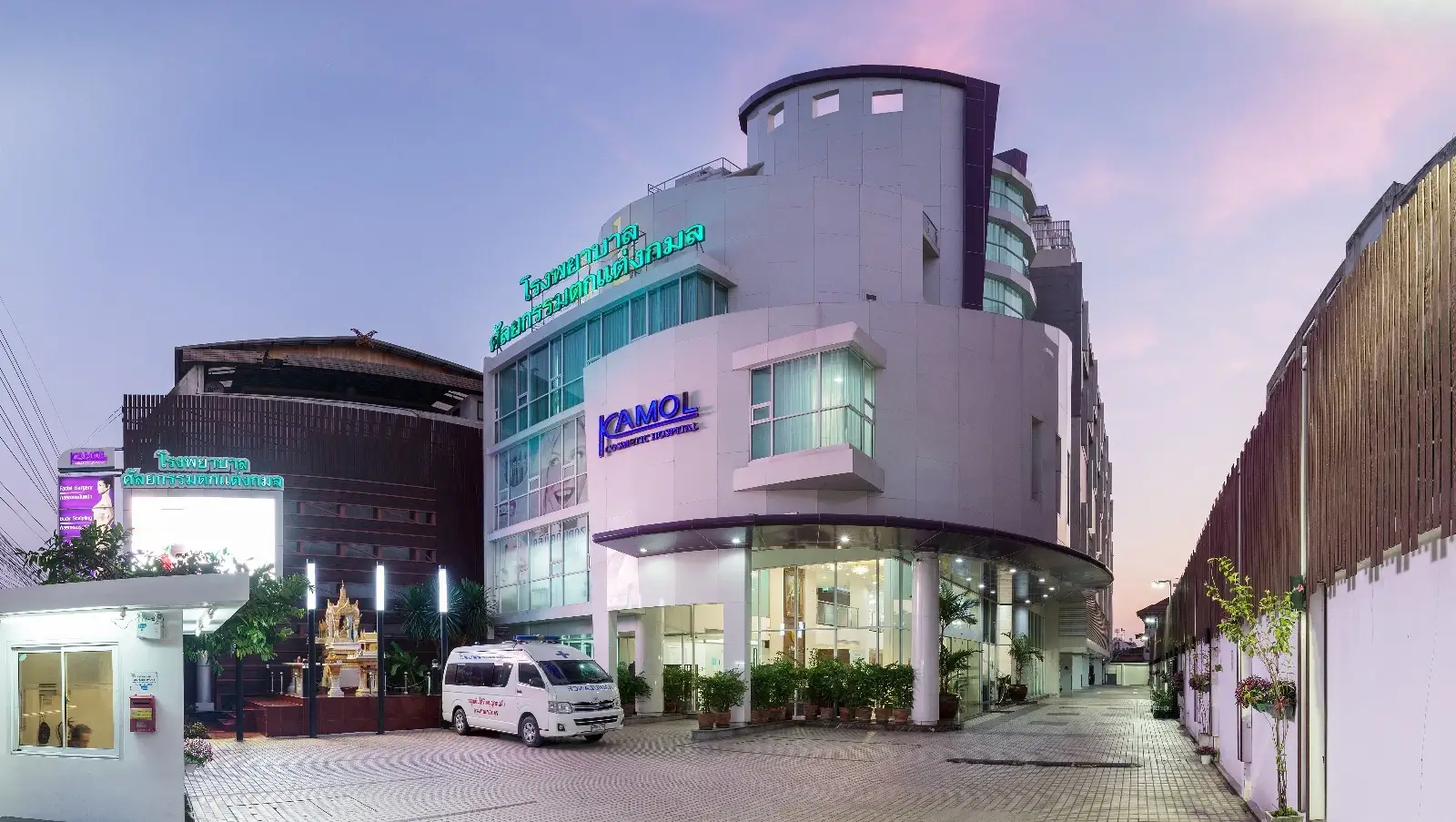
Kamol Cosmetic Hospital is a 5,200-square-meter specialty hospital in Bangkok dedicated entirely to gender-affirming and aesthetic surgery. Founded in 2002 by Dr. Kamol Pansritum, who has performed over 5,000 gender confirmation surgeries since 1997, the hospital performs over 2,000 gender-affirming procedures annually. JCI-accredited since 2015, Kamol Hospital features 8 operating rooms, 30 recovery rooms, and on-site luxury recovery apartments for international patients.
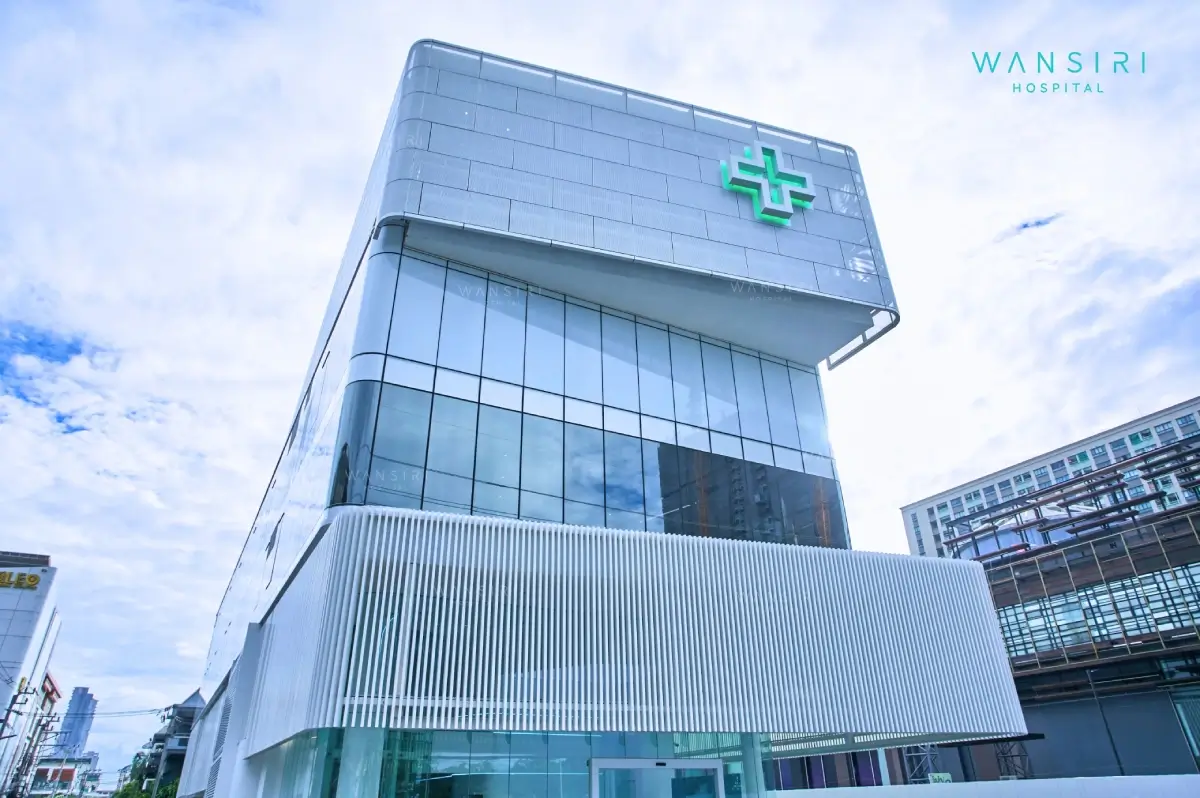
Wansiri Hospital is a specialized plastic surgery and aesthetic hospital in Bangkok led by Dr. Saran Wannachamras, who has over 44 years of experience in cosmetic surgery. The 6-story facility spans 5,700 square meters with operating rooms meeting Clean Room standards and UK accreditation. The hospital treats approximately 2,000 patients annually, primarily international patients from Europe, Asia, and North America seeking cosmetic procedures, gender-affirming surgery, and wellness treatments.
More information
Find our ranking for the best hospitals by city and category to find the best hospital for your procedure.
By city

Facial Masculinization Surgery in Thailand costs $8,000-$20,000 for comprehensive packages including multiple procedures. Single procedures (jaw augmentation alone) cost $4,000-$6,000. Comprehensive FMS typically includes jaw augmentation, chin contouring, brow ridge enhancement, rhinoplasty, and Adam's apple creation. Compare to US costs of $20,000-$50,000 for surgery fees alone before anesthesia and facility charges. Thailand pricing includes CT planning, custom implants, surgery, hospital stay, and follow-ups.
Dr. Kamol Pansritum at Kamol Cosmetic Hospital is Thailand's leading FMS surgeon with 10,000+ facial gender-affirming procedures since 1997. His team combines plastic surgery, maxillofacial expertise, and craniofacial training—essential for complex bone work required in FMS. Hospital JCI-accredited with dedicated gender-affirming surgical department. Other experienced surgeons practice at same facility, all board-certified by Thai Medical Council and members of professional societies.
FMS procedures depend on individual facial structure and goals. Common combinations include: jaw augmentation (widening lower face), chin augmentation (lengthening and projecting chin), brow ridge enhancement (creating prominent supraorbital ridge), forehead lengthening (raising hairline), rhinoplasty (widening and straightening nose), cheek contouring (creating angular planes), and Adam's apple enhancement (creating visible thyroid cartilage). Not everyone needs all procedures—surgeon recommends combination during consultation.
Minimum 21 days, ideally 28 days for comprehensive FMS. This includes 2-3 days arrival and consultation, CT scanning and surgical planning (2-3 days), surgery day, 2-3 nights hospital stay, 14-21 days hotel recovery for follow-up appointments and healing assessment. Single-procedure FMS may allow shorter stay (14-18 days) but surgeon must clear you for travel. Swelling significant at 2 weeks—longer stays allow better healing assessment.
Technically yes, but most surgeons recommend spacing procedures 3-6 months apart. Combined surgery requires 8-12 hours general anesthesia (increased risk), extended hospital stay, and extremely challenging recovery managing both facial swelling and chest healing simultaneously. Most trans men prefer focusing on whichever procedure causes more dysphoria first, then addressing other area after full recovery. If both equally important, surgeon can assess if same-trip combination medically advisable for your specific case.
Revision surgery possible but requires minimum 12 months healing before assessment. Swelling takes full year to resolve—perceived asymmetry at 3 months may correct itself by month 12. If genuine asymmetry or insufficient masculinization after full healing, revision can adjust implant size, reposition implants, or add additional augmentation. Revision rates low with experienced surgeons using virtual surgical planning (under 5%). Most dissatisfaction stems from unrealistic expectations or impatience during healing—consultation should establish clear expectations before surgery.


Pam and Konkai Health were absolute rock stars in helping us find a fantastic surgeon for my boyfriend's hip replacement in Thailand. We had previously paid for a service to help us find a doctor and it was just throwing money away. The paid service was slow to respond and only offered us quotes for the most expensive hospitals.
Pam on the other hand was a completely free service and was always quick to reply, patient with all of our questions, and presented a variety of options in our price range. She made the entire process of finding a doctor, setting up video conferences, and scheduling the surgery extremely easy. She continued to help us even after the surgery had taken place with follow up visits and final questions we had before traveling back home. We cannot recommend her highly enough!!! We will definitely be using her again for our next surgical needs.

The service has been great facilitating and making arrangements for my procedure. They are very quick with responses and answering questions.
Many thanks to Konkai. After an online inquiry Konkai guided me to Praram9 orthopedic for a consultation on a hip injury. I had the consultation, clearly a femeral head collapse and needing the hip joint replacement. The beauty was in a half day full consultation, x-ray, ekg, blood work, chest exam ... everything needed to proceed with surgery was done.
This was so professionally and efficiently done, all questions answered, no consultants, no referrals etc., all in house, all guided around the hospital. A friendly caring class act. So I then came back to Konkai to setup for the operation, with the same orthopedic team led by Dr. Peerapong that made the assessment. I returned 2 weeks later, admitted, had the replacement operation stayed 5 days with the hospital team, and quite frankly, it was a privilege to be in their care.
Now after 10 days recovery in Bangkok i am ready to return home. Why Thailand, well in my country New Zealand, you get passed around to specialists, consultants, it all takes time, does not engender trust, and i think the profit motive is primary like the American system. Further, there are less facilities so more waiting for slots. Thailand has a care culture, and the expertise and professionalism with Konkai and Praram9 is superb. They have top quality facilities and capacity to fit your schedule.
If i ever need any major surgery, this will be my first stop. Thanks again
"Whilst searching for information on getting my cataracts done, I found that most websites do not provide sufficient information. I was fortunate enough to find Konkai.Health and connect with Pam.
She and other members of Konkai go far and beyond to do everything possible to give you the best advice.
I highly recommend this company for health related matters whilst you are in Thailand. Real five star assistance."
Outstanding. The most safe, amazing communication these past couple of months with Pam from Konkai health. I asked soooo many questions there must be around 80+ emails from me and every single one has been replied in full. Even now 2 weeks after surgery. Super professional, and the surgeon Dr Thawatchai Boonpadhanapong, at Yanhee Hospital that Pam recommended to me for a breast implant removal, were just incredible. No money deposits asked for…just pure care.
The service and systems at Yanhee were out the gate. I am so glad I travelled all that way and didn’t do it in New Zealand as I don’t think it would’ve been as good haha. I was so looked after by the amazing nurses, anaesthetist, Dr Thawatchai and my interpreter Mr Wing. It’s overwhelming looking for the right fit and if it wasn’t for Konkai Health and Pam I wouldn’t be feeling as happy as I am now 2 weeks after my surgery. I cannot thank you enough for what feels like a life transformation :)
I came to Thailand from America for a liposuction in last week. In a Google search, back in May, I came across Konkai Health and decided to reach out to them.For my surgery Pam, recommended Rattinan Clinic out of Bangkok. Pam was able to connect me with the clinic to set up a consultation. The process was very easy.I recommend Konkai Health and Rattinan Clinic. Both are 10/10
"I live in New Zealand, and my partner and I went on a holiday in Laos (Asia). I became sick and needed an emergency stomach operation. I reached out to this company, and they have been nothing but helpful.
They helped us with translating in Laos; they organised a taxi driver who was waiting for us at arrival and drove us to the hospital, where they organised a scan for me. I only needed to show my passport and an email when I arrived. I was already in the system for the appointment.
Everything went really smoothly. The company is professional and reliable, and the staff is super friendly too. I would highly recommend this company. I am grateful for the great service this company offered when I was in need."

"I can say that the whole medical journey was very pleasant. The information given before the actual start was good. The meeting and intake with the doctor was clear.
Konkai Health was always responding fast and helpful if I came up with questions. And the actual surgery had a good outcome also. Now I just ended my last check-up, and I am very delighted how everything went."
Pam from Konkai just made the right match for my plastic surgery, not only did it make me safe time, but the chosen doctor was just exceeding my expectations! Thank you so muxh 🙏🏼
I highly recommend their expertise and thankful for having been a patient at Yanhee hospital! …
I am recommended by one of my friends in Bangkok that eye surgery at LASIK hospital is excellently and exceptionally done. With his recommendation, I approached Konkai who were quick to respond to my questions and give appointment date.





.svg)

.png)
