
CONTACT US for a free quote
Plan Your Medical Procedure with Our Dedicated Care Team

Excellent reviews

1500+ Happy Clients

Free cost indication
Oops! Something went wrong while submitting the form.

Get world-class care at vetted and accredited hospitals in Thailand.
Save up to 80% with internationally trained surgeons and state-of-the-art facilities.
Thailand has become a leading destination for FTM top surgery, with JCI-accredited hospitals offering double incision, keyhole, and periareolar techniques at costs 60-70% lower than Western countries. Surgeons like Dr. Kamol Pansritum perform hundreds of chest masculinization procedures annually with specialized gender-affirming teams, and trans men from the US, UK, and Australia choose Bangkok for this high-volume expertise and immediate scheduling.
FTM top surgery costs $3,000-$5,000 in Thailand compared to $8,000-$15,000 in the US. Surgery dates are available within 2-3 weeks at hospitals dedicated to transgender care, without the 6-12 month wait times common in Western healthcare systems.
Please note that the prices provided are estimations and may vary based on various factors. Additionally, these prices do not include flights or accommodation.
All prices are in USD, unless otherwise indicated.
What it is: Two horizontal incisions below pectoral muscles. Surgeon removes all breast tissue, excess skin, resizes/repositions nipples as grafts. Creates completely flat, masculine chest contour.
Best for: Medium to large chests (B cup and above), patients prioritizing flatness over minimal scarring, those with significant skin excess or poor elasticity.
Scarring: Two horizontal scars across chest (typically 4-6 inches each). Scars fade to thin white lines over 12-18 months but remain visible. Most trans men consider this acceptable trade-off for guaranteed flatness.
Nipple sensation: Reduced sensitivity in 60-70% of cases because nipples are completely detached and regrafted. Some sensation may return over 12-24 months as nerves regenerate, but full erogenous sensation unlikely.
Recovery: 2-3 weeks before light activities, 6-8 weeks before exercise, 3 months for scars to stabilize. Drains removed after 3-7 days.
Results: Most predictably flat outcome. Surgeon has complete control over nipple size, placement, chest shape. Minimal revision rate (under 5%).
What it is: Small incision along lower edge of areola. Breast tissue removed through incision, excess skin minimal. Nipples remain attached (not grafted).
Best for: Very small chests (A cup or smaller), excellent skin elasticity, minimal breast tissue, patients prioritizing nipple sensation and minimal scarring.
Scarring: Tiny scar around lower areola border, typically invisible after healing. Best cosmetic outcome of all techniques.
Nipple sensation: Fully preserved in 90%+ cases because nerves remain intact. Erogenous sensation maintained.
Recovery: 1-2 weeks before light activities, 4-6 weeks before exercise. Fastest recovery, no drains typically needed.
Results: Less predictable flatness—depends on skin retraction. 10-15% need revision if skin doesn't contract well. Nipple placement cannot be adjusted. Not suitable for most patients due to strict candidacy requirements.
What it is: Circular incision around entire areola. Breast tissue removed, excess skin gathered and removed, areola repositioned. Nipples stay attached.
Best for: Small to medium chests (A-B cup), good skin elasticity, patients wanting better flatness than keyhole with less scarring than double incision.
Scarring: Circular scar around areola. More visible than keyhole but less than double incision. Scars can pucker if significant skin removed.
Nipple sensation: Preserved in 70-80% of cases. Better than double incision, not quite as good as keyhole.
Recovery: 2 weeks before light activities, 6 weeks before exercise. Drains sometimes needed (50% of cases).
Results: Good compromise between flatness and scarring. 15-20% may need minor revision for complete flatness or scar improvement.
What it is: Combines vertical incision down chest center with horizontal incisions under breast crease. Creates T-shaped scar. Preserves nipple blood supply.
Best for: Large chests with significant sagging, patients prioritizing nipple sensation over minimal scarring, those unsuitable for other techniques due to anatomy.
Scarring: T-shaped scars more visible than double incision. Trade-off for preserved sensation.
Nipple sensation: Best preservation of all techniques for large chests (80-85% maintain sensation). Nipples stay attached with blood/nerve supply intact.
Recovery: Similar to double incision (2-3 weeks light activities, 6-8 weeks exercise).
Results: Achieves flatness for large chests while maintaining sensation. Less common technique—ensure surgeon has specific experience.
Many patients proceed to FTM bottom surgery after chest masculinization
Dr. Kamol Pansritum, M.D.
Thousands of gender-affirming procedures since 1997, board-certified in General Surgery and Plastic Surgery. Performs all top surgery techniques regularly with specialized gender-affirming surgical team.
Training: Khonkaen University (M.D. 1986), Chulalongkorn University (Plastic Surgery diploma 1997). Member of WPATH, International Society of Plastic and Reconstructive Surgery.
Techniques offered:
Hospital features:
Pricing (Kamol Hospital):
Recovery timeline: 14-day minimum stay in Bangkok recommended (2 nights hospital, 12 nights hotel for follow-ups).
Surgical team with gender-affirming experience. Primarily known for MTF procedures but performs FTM top surgery regularly.
Pricing: $3,000-$4,200 depending on technique.
Package includes: Surgery + 1-2 night stay + follow-ups + free airport transfers + meals.
Best for: Patients seeking larger hospital environment (250+ beds), multiple specialist consultations under one roof.
Virtual consultation through Konkai. Submit chest photos (front, side, arms raised) and medical history. Surgeon assesses which technique suits your chest size, skin quality, aesthetic goals.
Preparation:
Day 1-2: Arrive in Bangkok, adjust to climate and time zone. Pre-op consultations with surgeon, anesthesiologist. Blood work, chest X-ray, EKG. Surgeon marks incision lines, confirms final technique choice, sets nipple placement.
Day 3: Surgery day. Check-in morning of procedure. Surgery under general anesthesia, 2-4 hours depending on technique. What happens: breast tissue removed, chest contoured to masculine shape, nipples resized/repositioned (or grafted for double incision), drains placed if needed.
Post-op: Recovery room 2-4 hours, then private room. Chest wrapped in compression bandaging. Drains (if placed) monitored. Pain managed with IV first 24 hours, then oral medications. Sleep propped up 45 degrees.
Day 4-5: Hospital stay. Daily wound checks, drain output monitoring, pain management. Nursing staff teaches drain care, compression vest use. Light walking encouraged (prevents blood clots). Most patients feel groggy but not severe pain (4-6/10 on pain scale).
Day 6-7: Discharge to hotel, pain controlled with oral meds, walking independently. Drains may still be in (removed at follow-up when output drops below threshold).
Hotel near hospital. Regular follow-up appointments. Surgeon checks incisions, monitors for hematoma/seroma, removes drains when ready (typically day 3-7 post-op), adjusts compression vest.
Restrictions: No lifting arms above shoulders. No lifting anything heavier than phone. Sleep propped up. Sponge baths only (no showers until cleared). No driving.
Activities: Short walks, light meals, rest. Swelling and bruising peak days 3-5, then improve. Chest feels tight and numb—this is normal.
Compression vest: Worn 24/7 for 4-6 weeks (removed only for wound cleaning). Critical for shaping, reducing swelling, preventing fluid buildup.
Flying home: Minimum 10-14 days post-op, ideally 14-21 days. Surgeon provides clearance. Long flights increase swelling—compression vest must be worn, frequent walks required.
Final follow-up appointment week 2-3. Surgeon removes external sutures (internal dissolve), assesses healing, provides long-term care instructions.
Scar care: Start silicone gel/sheets once incisions fully healed (week 3-4). Massage scars daily after 6 weeks. Avoid sun exposure 12 months (causes darkening).
Total: $7,000-$8,510
You save $5,000-$10,000 compared to US costs of $12,000-$18,000 (surgery + anesthesia + facility fees).
Total: $8,750-$10,200
Still $7,000-$10,000 cheaper than Western countries for complete experience.
FTM top surgery involves comparing surgeons you've never met, understanding technique differences that affect your entire future, coordinating 2-3 week international trip during recovery, and navigating WPATH requirements across countries.
We provide free personalized quotes from multiple hospitals with technique recommendations based on your case, all-inclusive pricing, expected results for your anatomy.
We coordinate your journey: Schedule surgery date, recommend hotels near hospital, and answer any questions that come up.
Support during each Thailand visit. English-speaking team via WhatsApp or email. Valued highly by those traveling to Thailand alone for extra peace of mind.
Honest guidance, not sales pressure. We do not push you towards certain hospitals, surgeons or procedures. We provide the information for you to make an informed choice and assist with scheduling and coordinating your travel and care.
Pre-vetted facilities chosen by our team that meet our rigorous standards for quality and safety

Yanhee International Hospital is a 400-bed multi-specialty hospital in Bangkok established in 1984, treating over 2,000 outpatients daily from 162 countries. JCI-accredited since 2011 with ISO certification since 2000, Yanhee specializes in cosmetic and plastic surgery with 72% of international patients seeking aesthetic procedures. The hospital operates 95 outpatient examination rooms, 12 major and 30 minor operating rooms with 150 full-time doctors and 1,500 healthcare professionals.
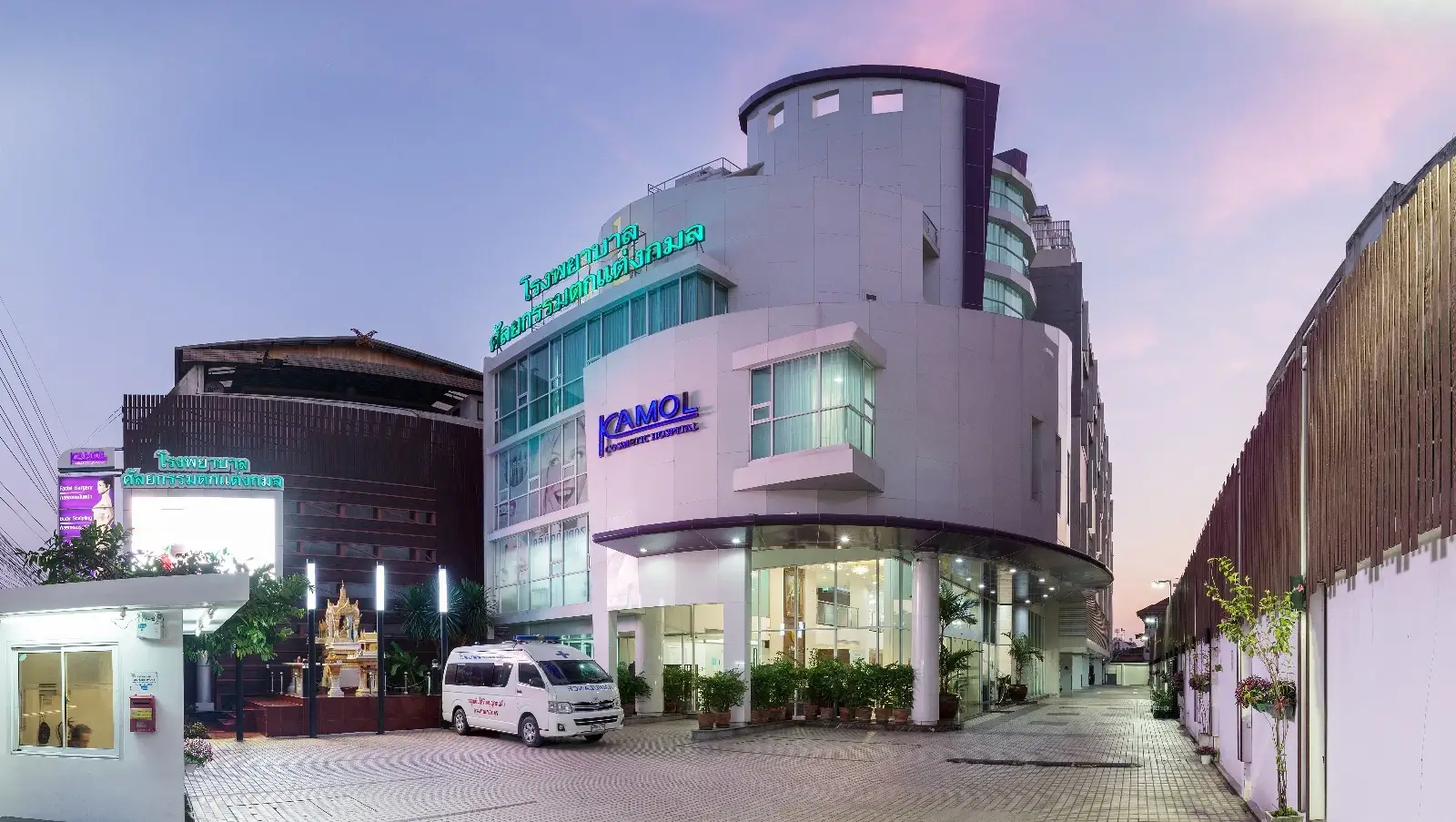
Kamol Cosmetic Hospital is a 5,200-square-meter specialty hospital in Bangkok dedicated entirely to gender-affirming and aesthetic surgery. Founded in 2002 by Dr. Kamol Pansritum, who has performed over 5,000 gender confirmation surgeries since 1997, the hospital performs over 2,000 gender-affirming procedures annually. JCI-accredited since 2015, Kamol Hospital features 8 operating rooms, 30 recovery rooms, and on-site luxury recovery apartments for international patients.
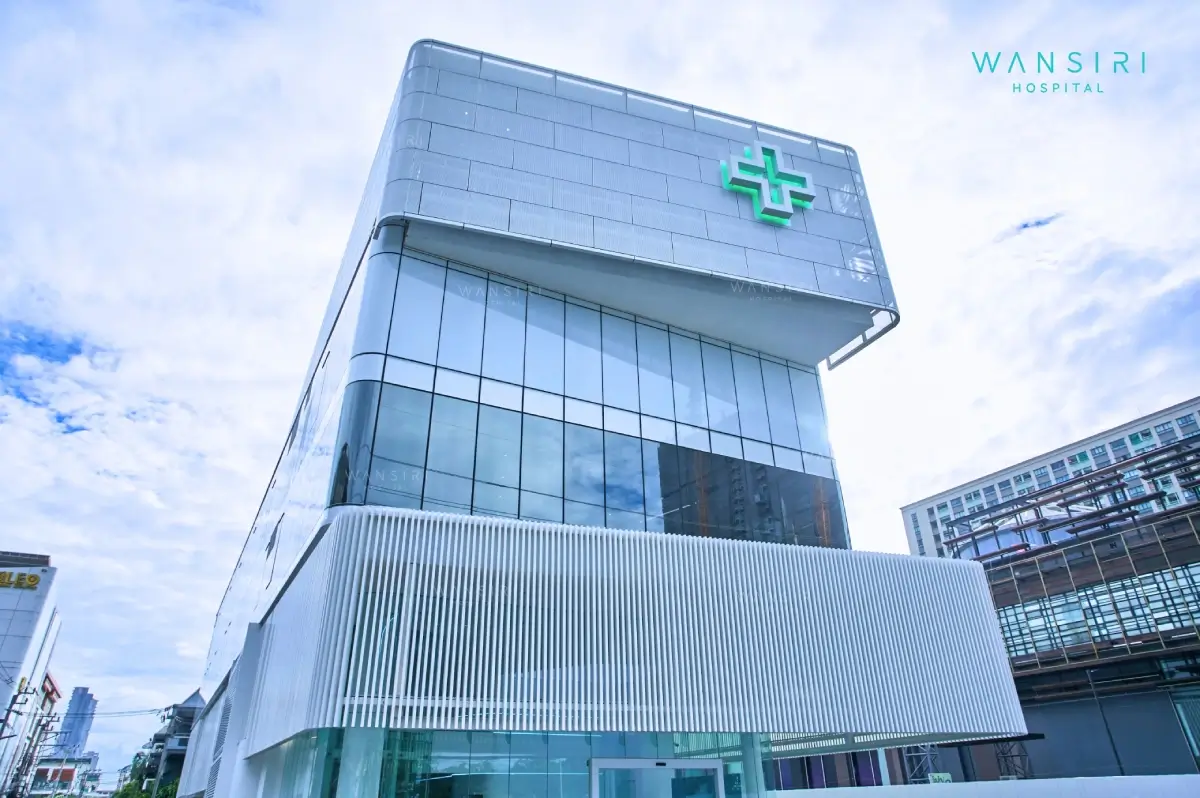
Wansiri Hospital is a specialized plastic surgery and aesthetic hospital in Bangkok led by Dr. Saran Wannachamras, who has over 44 years of experience in cosmetic surgery. The 6-story facility spans 5,700 square meters with operating rooms meeting Clean Room standards and UK accreditation. The hospital treats approximately 2,000 patients annually, primarily international patients from Europe, Asia, and North America seeking cosmetic procedures, gender-affirming surgery, and wellness treatments.
More information
Find our ranking for the best hospitals by city and category to find the best hospital for your procedure.
By city

FTM top surgery in Thailand costs $3,000-$5,000 depending on technique and hospital. Keyhole/periareolar typically $3,000-$4,500, double incision $3,500-$5,000. This includes surgery, anesthesia, hospital stay, compression garments, follow-ups, and often airport transfers. Compare to US costs of $8,000-$15,000 for surgery alone before anesthesia and facility fees.
Dr. Kamol Pansritum at Kamol Cosmetic Hospital has performed thousands of gender-affirming procedures including hundreds of top surgeries since 1997. He is board-certified, WPATH member, and specializes in transgender care but ultimately the best choice depends on preferred technique, budget and which surgeon you feel comfortable with.
Minimum 10-14 days, ideally 14-21 days. This includes 1-2 nights hospital stay plus hotel recovery for follow-up appointments (drain removal, wound checks, suture removal, flight clearance). Flying earlier risks complications from cabin pressure and limited mobility. Most surgeons require 10-14 day minimum before approving travel.
Some surgeons allow this, others prefer separate procedures. Combining reduces total trip count (one less visit to Thailand) but increases surgery time, recovery difficulty, and complication risk. Hysterectomy alone requires 4-6 weeks recovery. Most surgeons recommend spacing procedures 3-6 months apart. Discuss candidacy during consultation based on health, BMI, goals.


Pam and Konkai Health were absolute rock stars in helping us find a fantastic surgeon for my boyfriend's hip replacement in Thailand. We had previously paid for a service to help us find a doctor and it was just throwing money away. The paid service was slow to respond and only offered us quotes for the most expensive hospitals.
Pam on the other hand was a completely free service and was always quick to reply, patient with all of our questions, and presented a variety of options in our price range. She made the entire process of finding a doctor, setting up video conferences, and scheduling the surgery extremely easy. She continued to help us even after the surgery had taken place with follow up visits and final questions we had before traveling back home. We cannot recommend her highly enough!!! We will definitely be using her again for our next surgical needs.

The service has been great facilitating and making arrangements for my procedure. They are very quick with responses and answering questions.
Many thanks to Konkai. After an online inquiry Konkai guided me to Praram9 orthopedic for a consultation on a hip injury. I had the consultation, clearly a femeral head collapse and needing the hip joint replacement. The beauty was in a half day full consultation, x-ray, ekg, blood work, chest exam ... everything needed to proceed with surgery was done.
This was so professionally and efficiently done, all questions answered, no consultants, no referrals etc., all in house, all guided around the hospital. A friendly caring class act. So I then came back to Konkai to setup for the operation, with the same orthopedic team led by Dr. Peerapong that made the assessment. I returned 2 weeks later, admitted, had the replacement operation stayed 5 days with the hospital team, and quite frankly, it was a privilege to be in their care.
Now after 10 days recovery in Bangkok i am ready to return home. Why Thailand, well in my country New Zealand, you get passed around to specialists, consultants, it all takes time, does not engender trust, and i think the profit motive is primary like the American system. Further, there are less facilities so more waiting for slots. Thailand has a care culture, and the expertise and professionalism with Konkai and Praram9 is superb. They have top quality facilities and capacity to fit your schedule.
If i ever need any major surgery, this will be my first stop. Thanks again
"Whilst searching for information on getting my cataracts done, I found that most websites do not provide sufficient information. I was fortunate enough to find Konkai.Health and connect with Pam.
She and other members of Konkai go far and beyond to do everything possible to give you the best advice.
I highly recommend this company for health related matters whilst you are in Thailand. Real five star assistance."
Outstanding. The most safe, amazing communication these past couple of months with Pam from Konkai health. I asked soooo many questions there must be around 80+ emails from me and every single one has been replied in full. Even now 2 weeks after surgery. Super professional, and the surgeon Dr Thawatchai Boonpadhanapong, at Yanhee Hospital that Pam recommended to me for a breast implant removal, were just incredible. No money deposits asked for…just pure care.
The service and systems at Yanhee were out the gate. I am so glad I travelled all that way and didn’t do it in New Zealand as I don’t think it would’ve been as good haha. I was so looked after by the amazing nurses, anaesthetist, Dr Thawatchai and my interpreter Mr Wing. It’s overwhelming looking for the right fit and if it wasn’t for Konkai Health and Pam I wouldn’t be feeling as happy as I am now 2 weeks after my surgery. I cannot thank you enough for what feels like a life transformation :)
I came to Thailand from America for a liposuction in last week. In a Google search, back in May, I came across Konkai Health and decided to reach out to them.For my surgery Pam, recommended Rattinan Clinic out of Bangkok. Pam was able to connect me with the clinic to set up a consultation. The process was very easy.I recommend Konkai Health and Rattinan Clinic. Both are 10/10
"I live in New Zealand, and my partner and I went on a holiday in Laos (Asia). I became sick and needed an emergency stomach operation. I reached out to this company, and they have been nothing but helpful.
They helped us with translating in Laos; they organised a taxi driver who was waiting for us at arrival and drove us to the hospital, where they organised a scan for me. I only needed to show my passport and an email when I arrived. I was already in the system for the appointment.
Everything went really smoothly. The company is professional and reliable, and the staff is super friendly too. I would highly recommend this company. I am grateful for the great service this company offered when I was in need."

"I can say that the whole medical journey was very pleasant. The information given before the actual start was good. The meeting and intake with the doctor was clear.
Konkai Health was always responding fast and helpful if I came up with questions. And the actual surgery had a good outcome also. Now I just ended my last check-up, and I am very delighted how everything went."
Pam from Konkai just made the right match for my plastic surgery, not only did it make me safe time, but the chosen doctor was just exceeding my expectations! Thank you so muxh 🙏🏼
I highly recommend their expertise and thankful for having been a patient at Yanhee hospital! …
I am recommended by one of my friends in Bangkok that eye surgery at LASIK hospital is excellently and exceptionally done. With his recommendation, I approached Konkai who were quick to respond to my questions and give appointment date.





.svg)

.png)
