
CONTACT US for a free quote
Plan Your Medical Procedure with Our Dedicated Care Team

Excellent reviews

1500+ Happy Clients

Free cost indication
Oops! Something went wrong while submitting the form.

Get world-class care at vetted and accredited hospitals in Thailand.
Save up to 80% with internationally trained surgeons and state-of-the-art facilities.
Rhinoplasty reshapes your nose to improve facial harmony, correct breathing problems, or repair injury damage. Surgeons adjust the bone, cartilage, and soft tissue to create a nose that fits your facial proportions.
Thailand attracts patients worldwide for rhinoplasty because you get skilled surgeons trained internationally, modern facilities, and costs 60-75% lower than Western countries. The procedures use the same techniques and technology you'd find in the US or Australia, but you'll pay $2,000-$4,000 instead of $8,000-$15,000.
This guide covers costs at Bangkok's top hospitals, surgical techniques from traditional open rhinoplasty to Thailand's proprietary SSTP method, implant options, and how to plan your trip. You'll understand exactly what to expect and what you'll pay.
Please note that the prices provided are estimations and may vary based on various factors. Additionally, these prices do not include flights or accommodation.
All prices are in USD, unless otherwise indicated.
Rhinoplasty modifies the structure of your nose by reshaping bone and cartilage. Surgeons can reduce a prominent hump, refine a bulbous tip, narrow wide nostrils, straighten a crooked nose, or improve breathing through functional adjustments. The procedure addresses both aesthetic concerns and medical issues like a deviated septum that blocks airflow.
During surgery, your surgeon accesses the nasal structure through internal incisions (closed technique) or with a small external incision at the base (open technique). They then reshape bone and cartilage, potentially adding implants or grafts for augmentation. The specific approach depends on your anatomy, goals, and what needs correction.
Bangkok surgeons offer several surgical approaches, each suited to different anatomical needs and aesthetic goals. Understanding these techniques helps you have informed discussions with surgeons about which method achieves your desired results.
Open rhinoplasty creates a small inverted-V incision across the columella (the tissue strip between nostrils). This external incision allows surgeons to lift the skin and access the entire nasal framework with maximum visibility. The approach works best for complex cases requiring significant structural changes, major tip refinement, or revision surgery where previous work needs correction.
Recovery takes slightly longer than closed techniques because more tissue gets elevated, but results justify the extra healing time for complicated cases.
Open rhinoplasty handles crooked noses, severe humps, significant asymmetry, major tip surgery, and most revision cases. Surgeons at Yanhee and Wansiri regularly perform open procedures for international patients.
Closed rhinoplasty places all incisions inside the nostrils, leaving no external scars. Surgeons work through the nostril openings to reshape bone and cartilage without lifting the nasal skin extensively. This approach causes less tissue trauma, results in faster healing, and produces minimal swelling compared to open techniques.
The technique works well for patients needing moderate augmentation, modest tip refinement, or straightforward dorsal adjustments. Good candidates already have decent nasal structure that needs enhancement rather than major reconstruction. Wansiri Hospital recommends closed rhinoplasty for patients satisfied with their general nose shape who want to add height and dimension through implants.
SSTP (Silicon Soft Tissue Plastic) is Vincent Clinic's proprietary technique that performs rhinoplasty through two internal incisions in the nasal cavity without any external cuts. The method creates more working space than traditional closed rhinoplasty while avoiding open technique's columellar incision. Surgeons can place larger implants and perform detailed tip work through the internal approach.
Vincent developed SSTP to combine closed rhinoplasty's quick recovery with open rhinoplasty's precision. The technique includes interdomal stitching to lift and refine the nasal tip, creating the pointed, elevated look many patients want. Because all work happens internally, you avoid external scarring entirely while still achieving comprehensive results.
The approach suits patients who want significant augmentation or tip refinement but prefer avoiding visible scars. Vincent's surgeons have performed tens of thousands of SSTP procedures and handle revision cases where other techniques failed. The clinic's 3D imaging system lets you preview SSTP results before surgery, showing exactly how your nose will look from multiple angles.
Recovery happens faster than open rhinoplasty. Most swelling resolves within 2 weeks, and you can return to normal activities (excluding heavy exercise) within days. Vincent Clinic pioneered this technique in Thailand and remains the only facility offering true SSTP rhinoplasty.
Ultrasonic rhinoplasty uses piezoelectric devices that vibrate at ultrasonic frequencies to cut bone with pinpoint accuracy. The tool affects only hard tissue (bone), leaving soft tissue, cartilage, and blood vessels completely untouched. This precision reduces trauma dramatically compared to traditional surgical instruments.
Yanhee International Hospital offers piezo rhinoplasty at 145,000 THB (~$4,600 USD). The technique produces less bruising and swelling because blood vessels stay intact during bone reshaping. Patients often look presentable within 7-10 days instead of the 2-3 weeks needed with conventional methods. The precision also creates smoother bone edges and better symmetry, contributing to more natural-looking results.
The technology works best for patients needing bone work—reducing a dorsal hump, narrowing wide nasal bones, or correcting asymmetry. It doesn't offer major advantages for soft tissue work or cartilage grafting. Cost runs about 40% higher than traditional rhinoplasty because the equipment is expensive and requires specialized training.
Revision rhinoplasty corrects issues from previous nose surgery—asymmetry, breathing problems, implant complications, or results that don't match expectations. The procedure is technically demanding because surgeons work with scar tissue, altered anatomy, and sometimes depleted cartilage reserves from the original surgery.
Revision cases sometimes require rib cartilage grafts when nasal or ear cartilage was depleted during initial surgery. This adds complexity and cost but provides strong, permanent structural support. It is recommended to wait 6-12 months after your original surgery before attempting revisions, giving tissue time to heal fully and settle.
Thailand's pricing varies based on surgical complexity, technique, implant type, and hospital. Here's what you'll pay at Bangkok's top facilities.
Augmentation Rhinoplasty (implant): 30,000 - 50,000 THB ($950 -$1,600 USD)
Augmentation Rhinoplasty (rib graft): 220,000 THB ($7,000 USD)
Rhinoplasty (open; silicone + ear cartilage): 105,000 - 202,500 THB ($3,300 -$6,400 USD)
Nose Reshaping: 105,000 THB ($3,300 USD)
Septoplasty: 81,000 THB ($2,500 USD)
Tip-plasty with Graft: 45,500 THB ($1,400 USD)
Alar Reduction: 30,500 THB ($950 USD)
Ultrasonic Rhinoplasty: 145,000 THB (~$4,600 USD)
Yanhee operates 12 major and 30 minor operating rooms with 150 full-time doctors. The hospital has held JCI accreditation since 2011 and treats over 2,000 outpatients daily from 162 countries. Their plastic surgery team includes Dr. Somsak Chuleewattanapong, Dr. Krairit Tiyakul, Dr. Pitch Paiboonkasemsutthi, and Dr. Duangkamon Chiranakorn. Implant options include silicone, Gore-Tex, Medpor, and autologous rib cartilage.
Learn more about Yanhee International Hospital →
Contact us for exact pricing
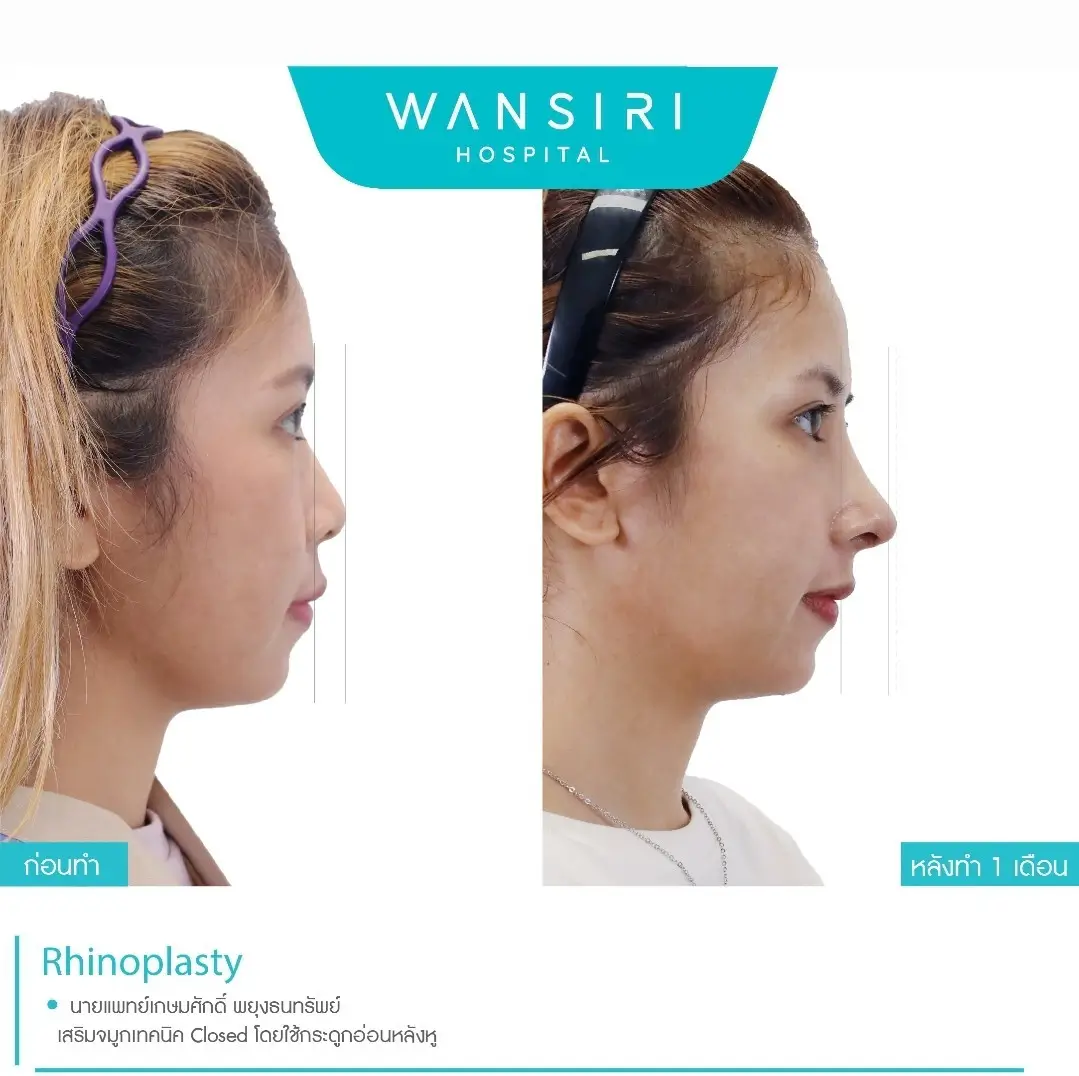
Wansiri Hospital focuses exclusively on plastic surgery and aesthetic procedures. Dr. Saran Wannachamras, CEO and head of the rhinoplasty department, brings 44 years of surgical experience including fellowship training at East Virginia School. The hospital claims a 99% success rate and treats approximately 2,000 patients annually.
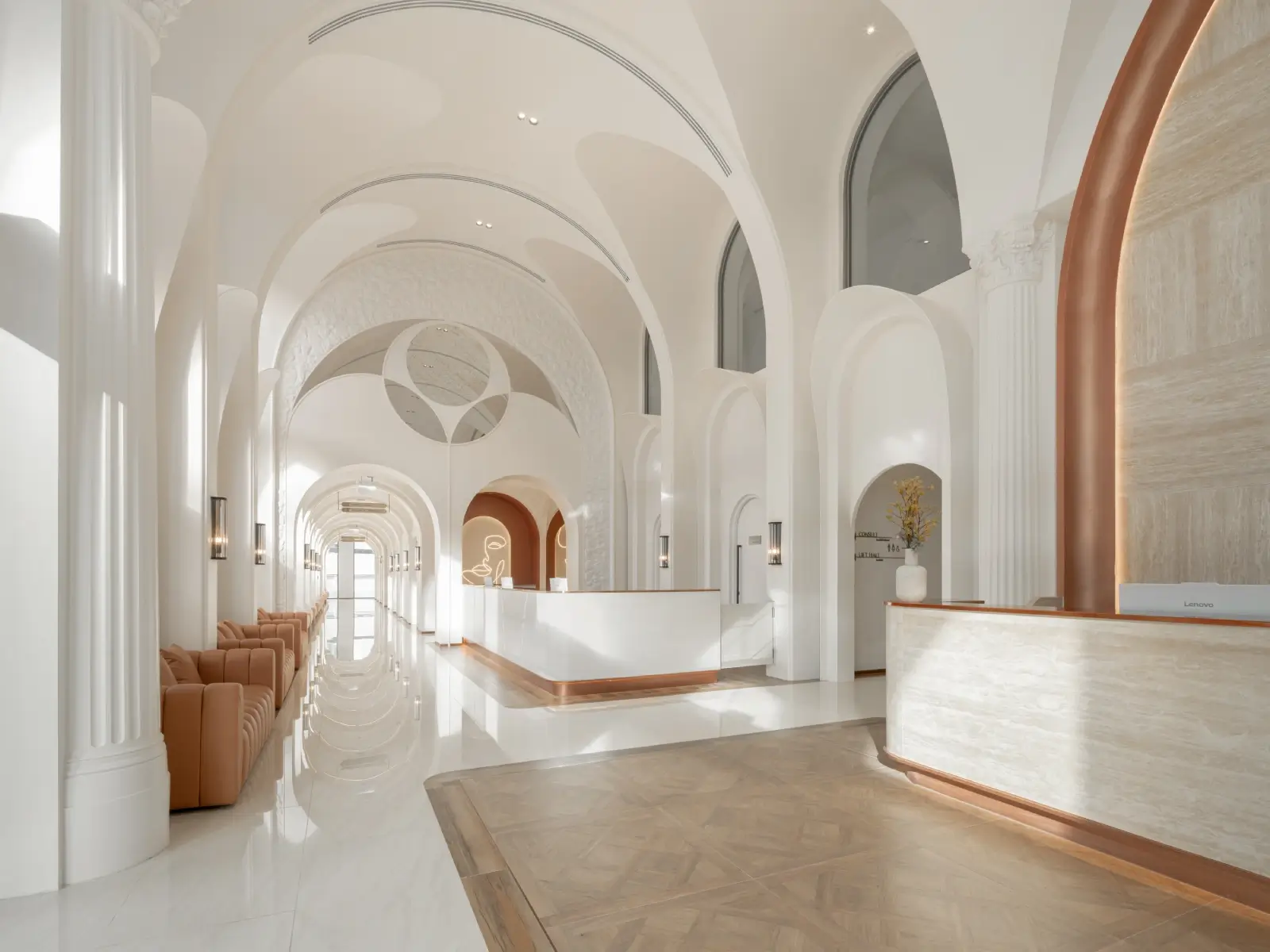
The 6-story facility spans 5,700 square meters with operating rooms meeting UK-accredited Clean Room standards. Each room uses specialized ventilation systems that maintain sterile conditions throughout surgery. Wansiri offers open rhinoplasty, closed rhinoplasty, and revision procedures. Implant options include silicone, Acellular Dermal Matrix (ADM), ear cartilage (conchal), and rib cartilage. Recovery rooms feature 24/7 registered nurse care with hotel-grade amenities.
Learn more about Wansiri Hospital →
Contact required for pricing
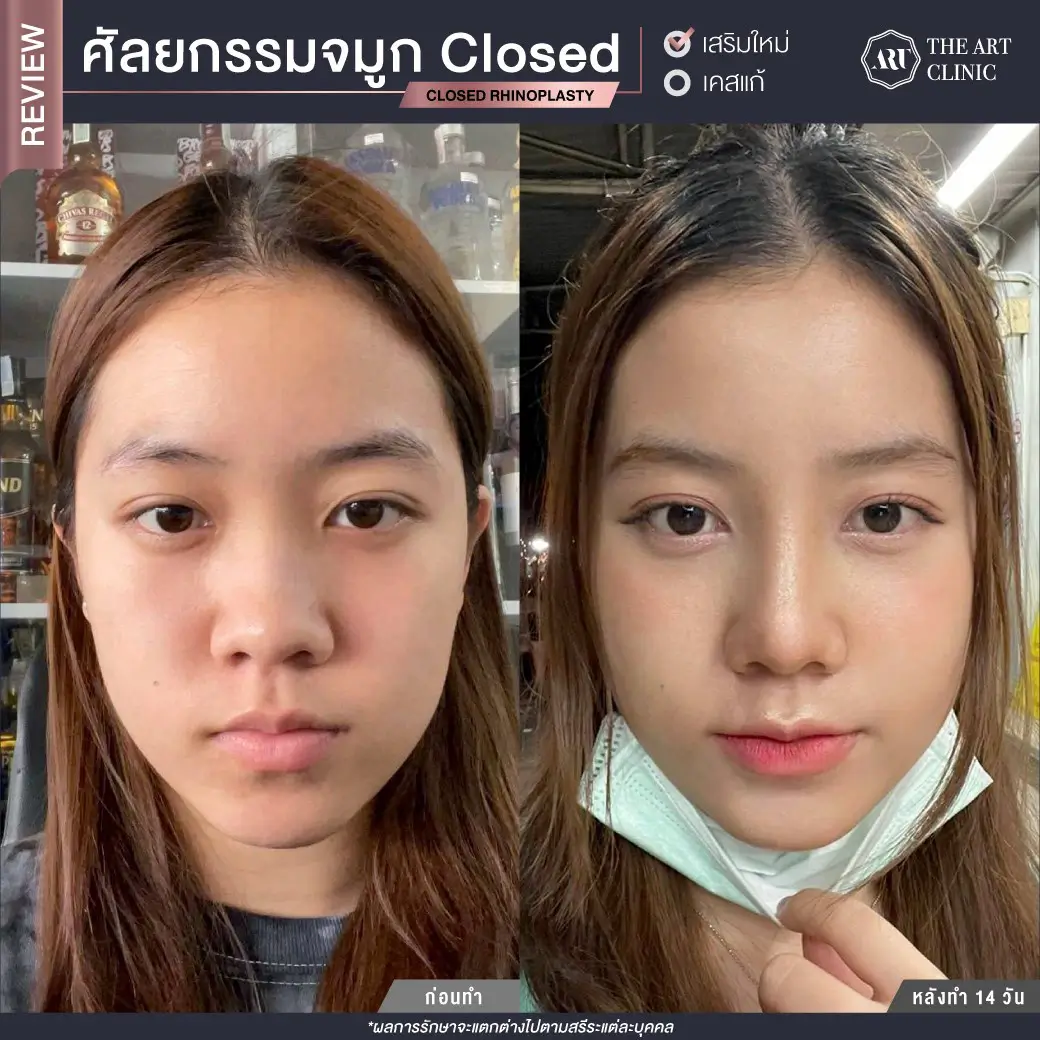
The Art evolved from a clinic to a dedicated hospital in 2013. Led by Dr. Thammarat Channuan and a team of board-certified plastic surgeons, the hospital specializes in facial contouring, breast surgery, body sculpting, and hair restoration alongside rhinoplasty. They provide personalized treatment plans and focus on high-volume cosmetic procedures for both Thai and international patients.
Contact Konkai for current rates and personalized quotes from multiple hospitals.
Learn more about The Art Plastic Surgery Hospital →
Your choice of implant material affects the feel, appearance, longevity, and risk profile of your rhinoplasty. Bangkok surgeons work with both synthetic implants and natural tissue grafts.
Your surgeon recommends implant type based on your anatomy, skin thickness, desired changes, and personal preferences. Many successful rhinoplasties combine materials—for example, silicone for the bridge with ear cartilage for tip refinement. During your consultation, ask to see before-and-after photos using your preferred implant type so you understand realistic outcomes.
Most rhinoplasty patients spend 7-9 days in Thailand, though you can extend the stay if combining procedures or touring. Here's a typical timeline.
Days 1-2: Arrival and Consultation
Arrive in Bangkok and settle into accommodation near your chosen hospital.
Your first day includes consultation with the surgeon. They'll examine your nose, discuss goals, take photos from multiple angles, and explain recommended techniques. Vincent Clinic or Wansiri will also perform 3D facial scanning to show projected results.
Pre-operative bloodwork and health screening happen same-day or next morning. Labs check blood count, clotting factors, and screen for infections. You'll meet the anesthesiologist who reviews your medical history and explains anesthesia protocol.
Day 3: Surgery Day
Arrive at the hospital 2-3 hours before scheduled surgery. You'll change into surgical gowns and an IV line gets placed for medications and fluids. The anesthesiologist administers general anesthesia or local anesthesia with sedation depending on procedure complexity.
Surgery takes 1-3 hours depending on technique and changes needed. Open rhinoplasty and complex cases run longer. SSTP and simple closed techniques finish faster. After surgery, you wake in recovery where nurses monitor you for 1-2 hours before transfer to your room.
Most hospitals keep rhinoplasty patients overnight for observation, especially if you had open surgery or ultrasonic bone work. Yanhee includes 2 nights hospital stay with their rhinoplasty packages. Nurses check on you regularly, provide pain medication, and help you manage nasal packing if used.
Days 4-6: Initial Recovery
Swelling and bruising peak on days 2-3, then gradually improve. You'll wear a nasal splint (small metal or plastic shield) that protects your nose and holds everything in position. Don't remove this splint—it's essential for proper healing.
Sleep with head elevated on 2-3 pillows to reduce swelling. Apply cold compresses around (not on) your nose for 20 minutes several times daily. Avoid blowing your nose, bending over, heavy lifting, or any activity that increases blood pressure. Most patients feel well enough for light walking and sightseeing by day 4-5 if they avoid strenuous activity.
Day 7-8: Splint Removal and Suture Removal
The splint comes off 5-7 days post-surgery. This appointment shows your new nasal shape for the first time, though significant swelling still obscures final results. External sutures (open rhinoplasty) get removed at this visit. Internal sutures dissolve on their own.
Your nose will be swollen and possibly bruised, especially around the eyes if bone work was performed. This is completely normal. You can start wearing makeup to cover bruising if desired. The surgeon provides detailed aftercare instructions for the coming weeks.
Day 9: Departure
Most patients fly home once the splint is removed and surgeon confirms healing is progressing normally. You're cleared for air travel but should still avoid strenuous activity, contact sports, and heavy lifting for another 4-6 weeks.
Some patients prefer staying 10-14 days to see more swelling reduction before flying. This is personal preference rather than medical necessity.
Many patients combine rhinoplasty with eyelid surgery, chin augmentation, or facial contouring since they're already in Thailand. This saves travel costs and recovery time. However, combining procedures extends surgery time, increases swelling, and may prolong hospital stay. Discuss combination surgery during your initial consultation so the surgeon can plan appropriately.
Rhinoplasty demands both artistic vision and technical precision. Your surgeon's experience directly impacts your results and satisfaction. Here's what to look for:
Red Flags to Avoid
Trust your instincts. If something feels wrong during consultation or you don't connect with the surgeon, explore other options. You're entrusting your face to this person, comfort and confidence matter as much as credentials.
Planning rhinoplasty in Thailand involves coordinating multiple elements: hospital selection, surgeon matching, pricing, travel logistics, and post-operative support. Konkai simplifies this process.
What we provide (free of charge):
We work exclusively with accredited and vetted facilities. Every hospital in our network meets international standards for safety, hygiene, and patient care. We never charge markups on hospital prices, and our service is completely free to patients.
Contact us to discuss your rhinoplasty goals and get personalized hospital recommendations with exact pricing.
Pre-vetted facilities chosen by our team that meet our rigorous standards for quality and safety

Yanhee International Hospital is a 400-bed multi-specialty hospital in Bangkok established in 1984, treating over 2,000 outpatients daily from 162 countries. JCI-accredited since 2011 with ISO certification since 2000, Yanhee specializes in cosmetic and plastic surgery with 72% of international patients seeking aesthetic procedures. The hospital operates 95 outpatient examination rooms, 12 major and 30 minor operating rooms with 150 full-time doctors and 1,500 healthcare professionals.
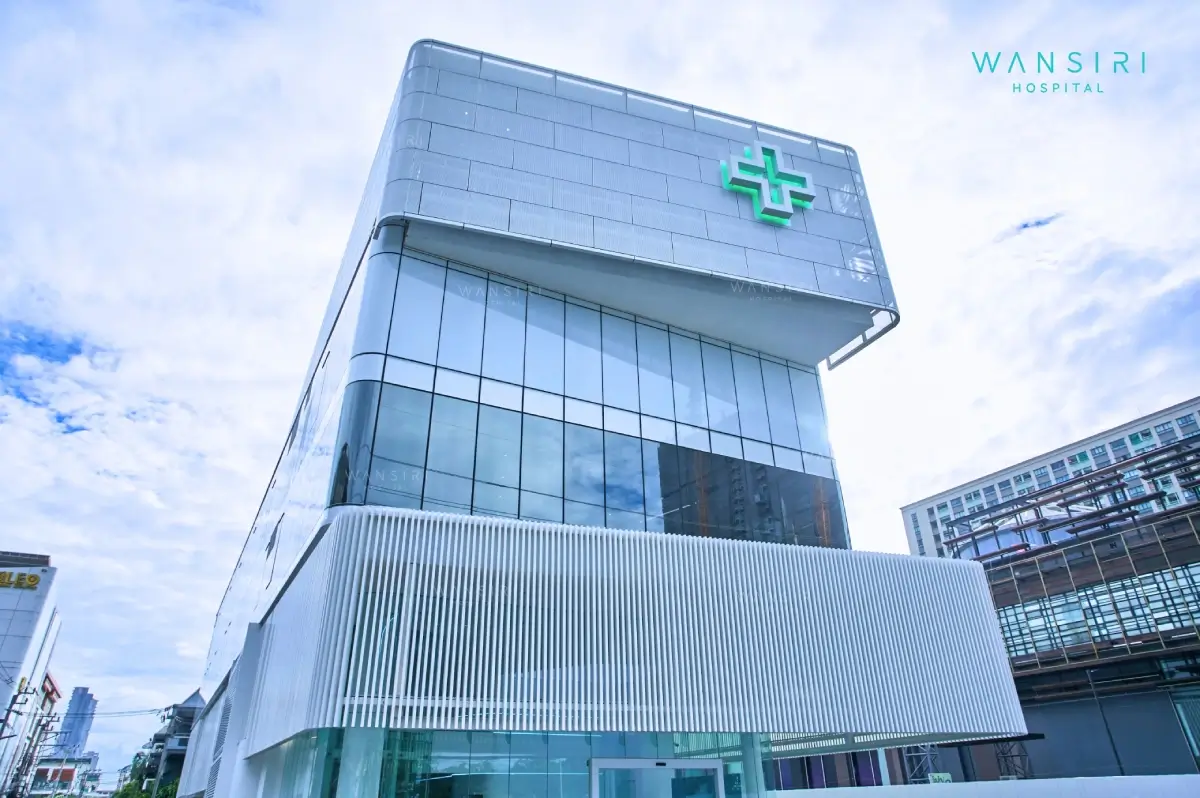
Wansiri Hospital is a specialized plastic surgery and aesthetic hospital in Bangkok led by Dr. Saran Wannachamras, who has over 44 years of experience in cosmetic surgery. The 6-story facility spans 5,700 square meters with operating rooms meeting Clean Room standards and UK accreditation. The hospital treats approximately 2,000 patients annually, primarily international patients from Europe, Asia, and North America seeking cosmetic procedures, gender-affirming surgery, and wellness treatments.
The Art Plastic Surgery Hospital in Bangkok specializes in aesthetic and reconstructive surgery, founded in 2013 and evolving from clinic to dedicated hospital. Led by Dr. Thammarat Channuan and a team of board-certified plastic surgeons, the hospital focuses on facial contouring, breast surgery, body sculpting, and hair restoration with personalized treatment plans for each patient.
More information
Find our ranking for the best hospitals by city and category to find the best hospital for your procedure.
By city

The cost for rhinoplasty in Thailand typically ranges from $2,000 to $4,000, depending on the complexity of the procedure and individual circumstances. This price includes surgeon fees and hospital charges.


Pam and Konkai Health were absolute rock stars in helping us find a fantastic surgeon for my boyfriend's hip replacement in Thailand. We had previously paid for a service to help us find a doctor and it was just throwing money away. The paid service was slow to respond and only offered us quotes for the most expensive hospitals.
Pam on the other hand was a completely free service and was always quick to reply, patient with all of our questions, and presented a variety of options in our price range. She made the entire process of finding a doctor, setting up video conferences, and scheduling the surgery extremely easy. She continued to help us even after the surgery had taken place with follow up visits and final questions we had before traveling back home. We cannot recommend her highly enough!!! We will definitely be using her again for our next surgical needs.

The service has been great facilitating and making arrangements for my procedure. They are very quick with responses and answering questions.
Many thanks to Konkai. After an online inquiry Konkai guided me to Praram9 orthopedic for a consultation on a hip injury. I had the consultation, clearly a femeral head collapse and needing the hip joint replacement. The beauty was in a half day full consultation, x-ray, ekg, blood work, chest exam ... everything needed to proceed with surgery was done.
This was so professionally and efficiently done, all questions answered, no consultants, no referrals etc., all in house, all guided around the hospital. A friendly caring class act. So I then came back to Konkai to setup for the operation, with the same orthopedic team led by Dr. Peerapong that made the assessment. I returned 2 weeks later, admitted, had the replacement operation stayed 5 days with the hospital team, and quite frankly, it was a privilege to be in their care.
Now after 10 days recovery in Bangkok i am ready to return home. Why Thailand, well in my country New Zealand, you get passed around to specialists, consultants, it all takes time, does not engender trust, and i think the profit motive is primary like the American system. Further, there are less facilities so more waiting for slots. Thailand has a care culture, and the expertise and professionalism with Konkai and Praram9 is superb. They have top quality facilities and capacity to fit your schedule.
If i ever need any major surgery, this will be my first stop. Thanks again
"Whilst searching for information on getting my cataracts done, I found that most websites do not provide sufficient information. I was fortunate enough to find Konkai.Health and connect with Pam.
She and other members of Konkai go far and beyond to do everything possible to give you the best advice.
I highly recommend this company for health related matters whilst you are in Thailand. Real five star assistance."
Outstanding. The most safe, amazing communication these past couple of months with Pam from Konkai health. I asked soooo many questions there must be around 80+ emails from me and every single one has been replied in full. Even now 2 weeks after surgery. Super professional, and the surgeon Dr Thawatchai Boonpadhanapong, at Yanhee Hospital that Pam recommended to me for a breast implant removal, were just incredible. No money deposits asked for…just pure care.
The service and systems at Yanhee were out the gate. I am so glad I travelled all that way and didn’t do it in New Zealand as I don’t think it would’ve been as good haha. I was so looked after by the amazing nurses, anaesthetist, Dr Thawatchai and my interpreter Mr Wing. It’s overwhelming looking for the right fit and if it wasn’t for Konkai Health and Pam I wouldn’t be feeling as happy as I am now 2 weeks after my surgery. I cannot thank you enough for what feels like a life transformation :)
I came to Thailand from America for a liposuction in last week. In a Google search, back in May, I came across Konkai Health and decided to reach out to them.For my surgery Pam, recommended Rattinan Clinic out of Bangkok. Pam was able to connect me with the clinic to set up a consultation. The process was very easy.I recommend Konkai Health and Rattinan Clinic. Both are 10/10
"I live in New Zealand, and my partner and I went on a holiday in Laos (Asia). I became sick and needed an emergency stomach operation. I reached out to this company, and they have been nothing but helpful.
They helped us with translating in Laos; they organised a taxi driver who was waiting for us at arrival and drove us to the hospital, where they organised a scan for me. I only needed to show my passport and an email when I arrived. I was already in the system for the appointment.
Everything went really smoothly. The company is professional and reliable, and the staff is super friendly too. I would highly recommend this company. I am grateful for the great service this company offered when I was in need."

"I can say that the whole medical journey was very pleasant. The information given before the actual start was good. The meeting and intake with the doctor was clear.
Konkai Health was always responding fast and helpful if I came up with questions. And the actual surgery had a good outcome also. Now I just ended my last check-up, and I am very delighted how everything went."
Pam from Konkai just made the right match for my plastic surgery, not only did it make me safe time, but the chosen doctor was just exceeding my expectations! Thank you so muxh 🙏🏼
I highly recommend their expertise and thankful for having been a patient at Yanhee hospital! …
I am recommended by one of my friends in Bangkok that eye surgery at LASIK hospital is excellently and exceptionally done. With his recommendation, I approached Konkai who were quick to respond to my questions and give appointment date.





.svg)

.png)
