
CONTACT US for a free quote
Plan Your Medical Procedure with Our Dedicated Care Team

Excellent reviews

1500+ Happy Clients

Free cost indication
Oops! Something went wrong while submitting the form.

Get world-class care at vetted and accredited hospitals in Thailand.
Save up to 80% with internationally trained surgeons and state-of-the-art facilities.
Orchiectomy, or testicle removal surgery, is a procedure that is commonly performed for a variety of medical reasons, including testicular cancer, injuries, or as part of gender affirmation surgery.
Patients from around the world seek orchiectomy in Thailand, where they can receive top-notch treatment at a fraction of the cost compared to many Western countries. The procedure is performed using advanced techniques and state-of-the-art equipment, ensuring optimal outcomes and minimal discomfort. Additionally, Thailand's renowned hospitality and cultural richness provide a welcoming and comfortable environment for recovery and recuperation.
Please note that the prices provided are estimations and may vary based on various factors. Additionally, these prices do not include flights or accommodation.
All prices are in USD, unless otherwise indicated.
Orchiectomy, also known as testicle removal surgery, is a surgical procedure that involves the removal of one or both testicles.
This surgery may be recommended for various medical reasons, including testicular cancer, severe testicular injury, certain infections, or as part of gender affirmation surgery for transgender individuals. For trans women and non-binary individuals assigned male at birth, bilateral orchiectomy (removal of both testicles) eliminates the primary source of testosterone production, reducing the need for anti-androgen medications and supporting feminization.
There are three main approaches:
For gender-affirming care, most trans women choose scrotal orchiectomy as a standalone procedure or in combination with vaginoplasty. Some patients undergo orchiectomy months or years before deciding whether to pursue bottom surgery, as it immediately reduces testosterone and allows for lower estrogen doses.

Thailand stands out for its high-quality healthcare delivered with global standards.
JCI-accredited since 2015, Kamol Cosmetic Hospital is led by Dr. Kamol Pansritum, who has performed 5,000+ gender reassignment surgeries and 10,000+ related procedures since 1997. The hospital specializes exclusively in gender-affirming and cosmetic surgery.
Orchiectomy pricing: 105,000-126,000 THB ($2,918-$3,501) including 1-night hospital stay, post-operative appointments, and medications.
What sets Kamol apart: Dedicated transgender surgery center with luxury recovery apartments on the 7th floor, 24-hour nursing care, and coordination with vaginoplasty, facial feminization surgery, and MTF breast augmentation if desired later.
Consultations with Dr. Kamol cost $30 USD and surgery dates can be booked within days of consultation.
Opened in 1994, Yanhee International Hospital is JCI-accredited and known for cosmetic procedures and gender-affirming surgery. 72% of international patients visit for cosmetic or transgender-related care.
Orchiectomy pricing: $3,200-$4,200 for bilateral orchiectomy with 1-night hospital stay.
Specializations: Comprehensive gender-affirming surgery program including MTF top surgery, tracheal shave, and combination procedures. Yanhee offers all-inclusive packages for patients combining multiple surgeries.
Located in Bangkok's Riverside district, Yanhee provides in-house translation services and dedicated international patient coordinators.
Before surgery, you'll complete:
Medical evaluation: Physical exam, blood work, ECG, and chest X-ray to ensure you're healthy for general anesthesia. Most hospitals complete all pre-op testing the day before surgery.
Fertility counseling: Even for bilateral orchiectomy, sperm banking is strongly recommended if you have any interest in future biological parenthood. Thai fertility clinics charge $200-400 for sperm freezing with annual storage fees of $100-200.
Testicular prosthesis discussion (optional): Silicone or saline-filled testicular implants can be placed during orchiectomy for patients who desire maintained scrotal volume. Prostheses cost $500-1,000 additional and have low complication rates.
Orchiectomy is performed under general or spinal anesthesia and takes 30-60 minutes:
Scrotal approach (most common for gender-affirming care): A 2-3 cm incision is made in the scrotum. Each testicle is mobilized and the spermatic cord is clamped, ligated, and cut. The testicles are removed and the incision is closed with dissolvable sutures. Optional testicular prostheses are placed before closure.
Inguinal approach (for cancer cases): A 4-6 cm incision is made in the groin. The entire spermatic cord is removed along with the testicle to prevent potential cancer spread. This approach is not typically used for gender-affirming orchiectomy.
Surgeons use meticulous hemostasis (bleeding control) to prevent hematoma (blood collection). The surgical site is closed in layers and a light compression dressing is applied.
You'll stay in hospital for 1 night after orchiectomy for monitoring:
Day of surgery: After 2-3 hours in recovery, you're transferred to your private room. Pain is managed with oral medications. You can walk to the bathroom and eat a light meal the evening of surgery.
Post-op day 1: The surgical team checks your incision, removes any drains if placed, and ensures you can urinate comfortably. Most patients are discharged in the afternoon with oral pain medications, antibiotics, and detailed wound care instructions.
Days 1-3: Rest is essential with minimal activity. Apply ice packs for 15-20 minutes every 2-3 hours to reduce swelling. Sleep with a pillow between your legs for support. Showering is allowed after 24-48 hours, keeping the incision dry.
Days 4-7: Gradual increase in light activities like short walks. Continue pain management as needed (most patients transition to acetaminophen only by day 5). Bruising and swelling peak around day 3-5, then gradually improve.
Days 8-14: Return to desk work and light daily activities. Avoid heavy lifting (over 10 lbs), strenuous exercise, and sexual activity. You'll have a follow-up appointment around day 7-10 to check wound healing.
Weeks 3-4: Most patients resume all normal activities including exercise. Sexual activity can resume after surgeon clearance, typically week 3-4. Some mild swelling may persist for 4-6 weeks.
Months 1-3: Hormonal changes become more apparent as testosterone drops to near-zero levels. Work with your endocrinologist to adjust estrogen and monitor your hormone levels. Many patients notice improved breast development, softer skin, and reduced body hair growth.
Long-term: Annual checkups with your primary care physician to monitor bone density (testosterone and estrogen both affect bone health) and cardiovascular health.
Budget $4,500-$6,000 total for your orchiectomy trip to Thailand:
Total: $4,910-$9,070 (or $4,410-$7,570 without prosthesis)
Most patients budget 9-10 days total: arrive 1-2 days before surgery for consultations and pre-op testing, surgery on day 3, hospital discharge on day 4, recovery days 5-8 at your hotel with light activities, final check-up day 9, fly home day 10.
You can extend your stay to combine orchiectomy with recovery tourism—many patients enjoy exploring Bangkok's markets, temples, and food scene during their recovery period while adhering to activity restrictions.
Many trans women choose orchiectomy as a standalone procedure rather than immediately pursuing vaginoplasty. This approach offers several benefits:
Reduced medication burden: Eliminating testosterone production means you can stop taking spironolactone or other anti-androgens, which often cause side effects like frequent urination, low blood pressure, and fatigue. Many patients also reduce their estrogen dosage while maintaining feminization.
Lower urgency for bottom surgery: Without testicles producing testosterone, there's less pressure to schedule vaginoplasty before you're emotionally and financially ready. Some trans women find orchiectomy provides sufficient genital relief and choose not to pursue further surgery.
Simpler procedure and recovery: Orchiectomy takes 30-60 minutes under general anesthesia with 1-night hospital stay and 5-7 days recovery. Compare this to vaginoplasty's 3-6 hours surgery, 5-7 nights hospitalization, and 3-4 weeks recovery before flying home.
Fertility preservation timing: Orchiectomy provides a clear deadline for sperm banking decisions. Many patients choose to freeze sperm before surgery to preserve future fertility options without the pressure of simultaneous vaginoplasty planning.
Cost management: Splitting gender-affirming surgeries allows you to manage costs over time. Orchiectomy costs $4,500-$6,000 total including travel, while vaginoplasty packages run $15,000-$25,000.
Patients who later decide to pursue vaginoplasty should wait 8-12 weeks after orchiectomy for full tissue healing. Most surgeons prefer this staged approach as it reduces surgical complexity and recovery time.
Some patients choose to combine orchiectomy with other surgeries during the same trip:
Orchiectomy + Tracheal shave: Reduces recovery time to one trip. Tracheal shave takes 30-45 minutes and adds $1,500-$2,500 to surgery costs. Both are relatively minor procedures that can be performed together safely.
Orchiectomy + Facial feminization surgery: Kamol Hospital offers comprehensive FFS packages. While recovery timelines overlap, facial swelling and orchiectomy restrictions are compatible. Total package costs $10,000-$25,000 depending on FFS procedures.
Orchiectomy + Breast augmentation: Can be performed simultaneously with 1-night hospital stay. Combined cost $5,500-$8,500. Recovery requires avoiding chest strain (which aligns with orchiectomy activity restrictions).
Orchiectomy + Vaginoplasty: Orchiectomy is the first step of MTF bottom surgery and is included in vaginoplasty pricing ($12,000-$18,000 at Thai hospitals). This is the most efficient approach if you're certain about bottom surgery.
Discuss combination procedures during your consultation to understand surgical sequencing, extended recovery timelines, and package pricing. Not all combinations are medically advisable, especially for patients over 50 or with medical risk factors.
Pre-vetted facilities chosen by our team that meet our rigorous standards for quality and safety
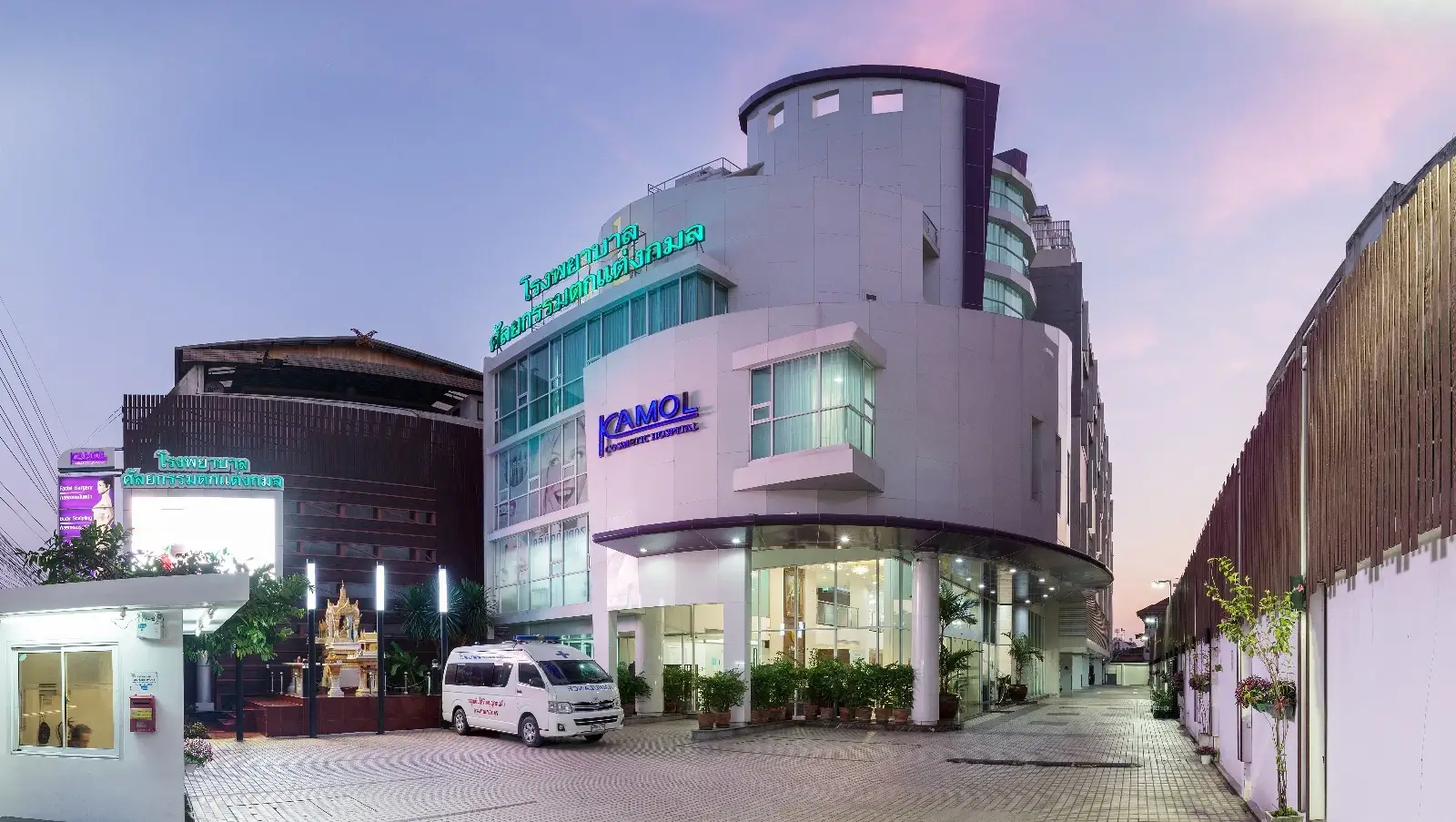
Kamol Cosmetic Hospital is a 5,200-square-meter specialty hospital in Bangkok dedicated entirely to gender-affirming and aesthetic surgery. Founded in 2002 by Dr. Kamol Pansritum, who has performed over 5,000 gender confirmation surgeries since 1997, the hospital performs over 2,000 gender-affirming procedures annually. JCI-accredited since 2015, Kamol Hospital features 8 operating rooms, 30 recovery rooms, and on-site luxury recovery apartments for international patients.

Yanhee International Hospital is a 400-bed multi-specialty hospital in Bangkok established in 1984, treating over 2,000 outpatients daily from 162 countries. JCI-accredited since 2011 with ISO certification since 2000, Yanhee specializes in cosmetic and plastic surgery with 72% of international patients seeking aesthetic procedures. The hospital operates 95 outpatient examination rooms, 12 major and 30 minor operating rooms with 150 full-time doctors and 1,500 healthcare professionals.
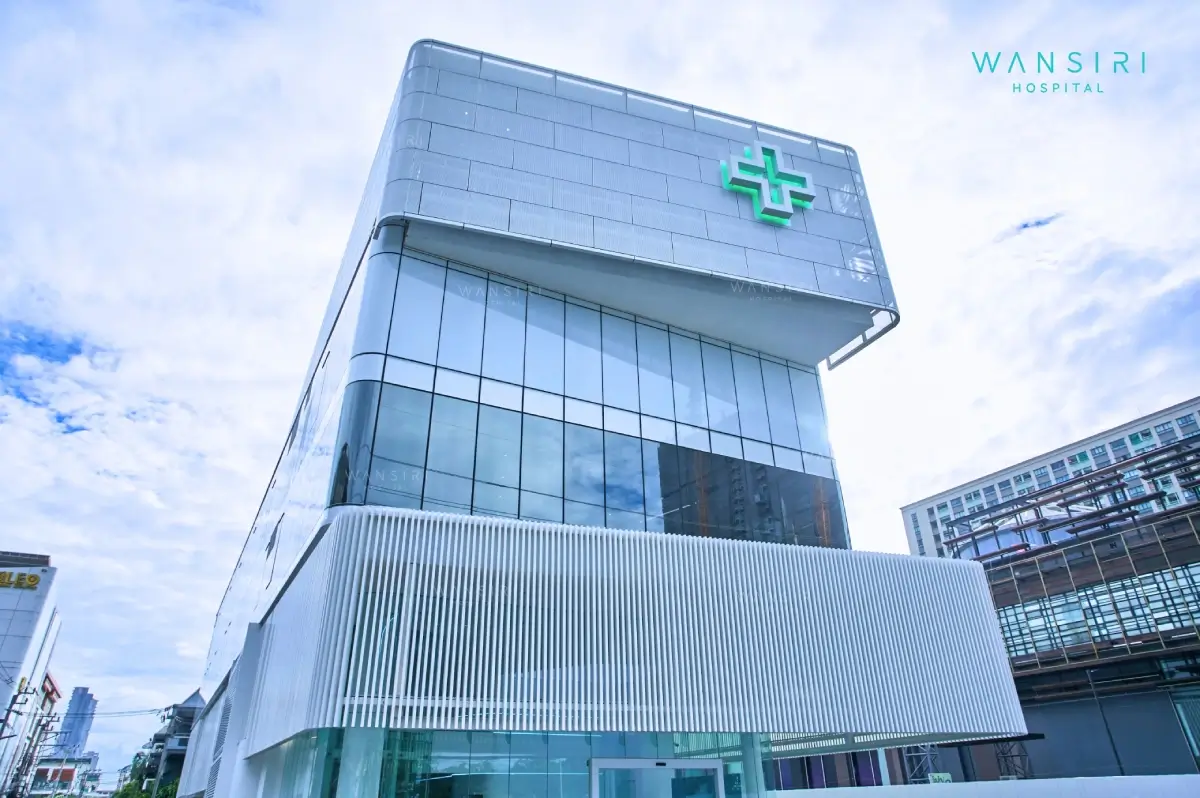
Wansiri Hospital is a specialized plastic surgery and aesthetic hospital in Bangkok led by Dr. Saran Wannachamras, who has over 44 years of experience in cosmetic surgery. The 6-story facility spans 5,700 square meters with operating rooms meeting Clean Room standards and UK accreditation. The hospital treats approximately 2,000 patients annually, primarily international patients from Europe, Asia, and North America seeking cosmetic procedures, gender-affirming surgery, and wellness treatments.
More information
Find our ranking for the best hospitals by city and category to find the best hospital for your procedure.
By city

Orchiectomy costs $2,900-$4,500 in Thailand including hospital stay and medications, compared to $5,000-$13,000 in the US, £3,000-£6,000 in the UK for private procedures, and $4,000-$7,000 AUD in Australia. All-inclusive packages with flights and accommodation total $4,500-$6,000 in Thailand versus $8,000-$15,000+ for equivalent Western care. NHS and some insurance plans cover orchiectomy, but wait times range from 6-18 months versus 1-2 weeks in Thailand.
Most patients stay 9-10 days total: 1-2 days pre-surgery for consultations and medical clearance, 1 night in hospital after surgery, 5-7 days recovery at a hotel with light activities, final check-up before departure. You can fly home once your surgeon confirms the incision is healing properly, typically day 7-10. Some patients extend their stay to 2 weeks for extra recovery time or tourism.
Testicular prostheses are optional and cosmetic only. Silicone or saline-filled implants cost $500-1,000 additional and maintain scrotal volume for aesthetic purposes. Complication rates are low (under 5%) but include rotation, extrusion, or infection. Many trans women skip prostheses and accept the flattened scrotal appearance, especially if planning future vaginoplasty. Discuss your preferences during consultation.
Yes, orchiectomy is frequently combined with tracheal shave ($1,500-$2,500 additional), breast augmentation ($3,000-$5,000 additional), or facial feminization surgery ($8,000-$20,000 depending on procedures). Orchiectomy is also the first step of vaginoplasty, so it's included in MTF bottom surgery pricing. Discuss combination packages during your consultation to understand recovery timeline extensions and cost savings.
All Konkai partner hospitals for this procedure are JCI-accredited, meeting the same standards as top Western medical centers. Complication rates for orchiectomy are very low: bleeding/hematoma 1-2%, infection 1-3%, wound issues 1-2%. Surgeons at leading Thai hospitals have performed thousands of gender-affirming procedures, bringing specialized expertise that reduces complications. Medical tourism to Thailand is well-established with over 1 million international patients annually.


Pam and Konkai Health were absolute rock stars in helping us find a fantastic surgeon for my boyfriend's hip replacement in Thailand. We had previously paid for a service to help us find a doctor and it was just throwing money away. The paid service was slow to respond and only offered us quotes for the most expensive hospitals.
Pam on the other hand was a completely free service and was always quick to reply, patient with all of our questions, and presented a variety of options in our price range. She made the entire process of finding a doctor, setting up video conferences, and scheduling the surgery extremely easy. She continued to help us even after the surgery had taken place with follow up visits and final questions we had before traveling back home. We cannot recommend her highly enough!!! We will definitely be using her again for our next surgical needs.

The service has been great facilitating and making arrangements for my procedure. They are very quick with responses and answering questions.
Many thanks to Konkai. After an online inquiry Konkai guided me to Praram9 orthopedic for a consultation on a hip injury. I had the consultation, clearly a femeral head collapse and needing the hip joint replacement. The beauty was in a half day full consultation, x-ray, ekg, blood work, chest exam ... everything needed to proceed with surgery was done.
This was so professionally and efficiently done, all questions answered, no consultants, no referrals etc., all in house, all guided around the hospital. A friendly caring class act. So I then came back to Konkai to setup for the operation, with the same orthopedic team led by Dr. Peerapong that made the assessment. I returned 2 weeks later, admitted, had the replacement operation stayed 5 days with the hospital team, and quite frankly, it was a privilege to be in their care.
Now after 10 days recovery in Bangkok i am ready to return home. Why Thailand, well in my country New Zealand, you get passed around to specialists, consultants, it all takes time, does not engender trust, and i think the profit motive is primary like the American system. Further, there are less facilities so more waiting for slots. Thailand has a care culture, and the expertise and professionalism with Konkai and Praram9 is superb. They have top quality facilities and capacity to fit your schedule.
If i ever need any major surgery, this will be my first stop. Thanks again
"Whilst searching for information on getting my cataracts done, I found that most websites do not provide sufficient information. I was fortunate enough to find Konkai.Health and connect with Pam.
She and other members of Konkai go far and beyond to do everything possible to give you the best advice.
I highly recommend this company for health related matters whilst you are in Thailand. Real five star assistance."
Outstanding. The most safe, amazing communication these past couple of months with Pam from Konkai health. I asked soooo many questions there must be around 80+ emails from me and every single one has been replied in full. Even now 2 weeks after surgery. Super professional, and the surgeon Dr Thawatchai Boonpadhanapong, at Yanhee Hospital that Pam recommended to me for a breast implant removal, were just incredible. No money deposits asked for…just pure care.
The service and systems at Yanhee were out the gate. I am so glad I travelled all that way and didn’t do it in New Zealand as I don’t think it would’ve been as good haha. I was so looked after by the amazing nurses, anaesthetist, Dr Thawatchai and my interpreter Mr Wing. It’s overwhelming looking for the right fit and if it wasn’t for Konkai Health and Pam I wouldn’t be feeling as happy as I am now 2 weeks after my surgery. I cannot thank you enough for what feels like a life transformation :)
I came to Thailand from America for a liposuction in last week. In a Google search, back in May, I came across Konkai Health and decided to reach out to them.For my surgery Pam, recommended Rattinan Clinic out of Bangkok. Pam was able to connect me with the clinic to set up a consultation. The process was very easy.I recommend Konkai Health and Rattinan Clinic. Both are 10/10
"I live in New Zealand, and my partner and I went on a holiday in Laos (Asia). I became sick and needed an emergency stomach operation. I reached out to this company, and they have been nothing but helpful.
They helped us with translating in Laos; they organised a taxi driver who was waiting for us at arrival and drove us to the hospital, where they organised a scan for me. I only needed to show my passport and an email when I arrived. I was already in the system for the appointment.
Everything went really smoothly. The company is professional and reliable, and the staff is super friendly too. I would highly recommend this company. I am grateful for the great service this company offered when I was in need."

"I can say that the whole medical journey was very pleasant. The information given before the actual start was good. The meeting and intake with the doctor was clear.
Konkai Health was always responding fast and helpful if I came up with questions. And the actual surgery had a good outcome also. Now I just ended my last check-up, and I am very delighted how everything went."
Pam from Konkai just made the right match for my plastic surgery, not only did it make me safe time, but the chosen doctor was just exceeding my expectations! Thank you so muxh 🙏🏼
I highly recommend their expertise and thankful for having been a patient at Yanhee hospital! …
I am recommended by one of my friends in Bangkok that eye surgery at LASIK hospital is excellently and exceptionally done. With his recommendation, I approached Konkai who were quick to respond to my questions and give appointment date.





.svg)

.png)
