
CONTACT US for a free quote
Plan Your Medical Procedure with Our Dedicated Care Team

Excellent reviews

1500+ Happy Clients

Free cost indication
Oops! Something went wrong while submitting the form.

Get world-class care at vetted and accredited hospitals in Thailand.
Save up to 80% with internationally trained surgeons and state-of-the-art facilities.
Thailand has become a leading destination for bunion surgery (also called hallux valgus correction or flat feet surgery), offering fellowship-trained orthopedic surgeons performing thousands of procedures annually at JCI-accredited hospitals. International patients choose Thailand for immediate access to advanced surgical techniques like minimally invasive bunionectomy, Lapidus procedures, and 3D bunion correction without the multi-month waiting lists common in Western healthcare systems.
Please note that the prices provided are estimations and may vary based on various factors. Additionally, these prices do not include flights or accommodation.
All prices are in USD, unless otherwise indicated.
Thailand offers several distinct advantages for bunion surgery that go beyond just cost savings:
A bunion (hallux valgus) is a progressive foot deformity where the big toe angles toward the second toe, creating a prominent bony bump at the base of the big toe joint. This condition often runs in families and worsens over time, particularly in people with flat feet or those who wear narrow, pointed shoes.
While non-surgical treatments like wider shoes, orthotics, padding, and anti-inflammatory medication can relieve symptoms, they cannot correct the underlying bone deformity. Surgery becomes the recommended option when bunions cause chronic pain, difficulty walking, or interference with daily activities despite conservative management.
Thai orthopedic surgeons perform several surgical techniques depending on the severity of your bunion:
Osteotomy procedures involve cutting and realigning the bone. The Chevron osteotomy works well for mild to moderate bunions, creating a V-shaped cut to shift the bone into proper position. The Scarf osteotomy uses a Z-shaped cut for moderate to severe deformities and provides excellent stability. These procedures are secured with small screws or pins.
Lapidus procedure addresses bunions caused by an unstable midfoot joint. This technique fuses the first metatarsal bone to the medial cuneiform bone, preventing future bunion recurrence. It's particularly effective for patients with flat feet or hypermobility.
Minimally invasive bunionectomy uses small incisions and specialized instruments to perform the correction with less tissue disruption. Recovery is typically faster with reduced scarring, though not all bunion severities are suitable for this approach.
Exostectomy simply shaves off the bony prominence without realigning the toe. This procedure only addresses the bump itself and doesn't correct the underlying deformity, so it's rarely recommended as a standalone treatment.
Your surgeon will determine the best approach after examining your X-rays and assessing your bunion's severity, toe flexibility, and any arthritis in the joint.
Understanding the true cost of bunion surgery in Thailand requires looking beyond the basic surgical fee to see what's included, what's not, and how hospitals structure their pricing.
Bunion surgery costs in Thailand typically range from $2,800 to $5,500 per foot depending on the surgical technique, hospital facility, and whether one or both feet are corrected. Here's what drives these price variations:
Basic bunionectomy or simple osteotomy: $2,800 - $3,800
Advanced osteotomy (Scarf or Chevron): $3,500 - $4,500
Lapidus procedure or 3D bunion correction: $4,500 - $5,500
Minimally invasive techniques: $4,000 - $5,200
The price ranges above provide guidance, but your specific cost depends on your bunion's severity and any complicating factors. Here's how to get an accurate quote:
Send X-rays to us: Email recent foot X-rays or other scans to us, so we can ask for personalized quotes from multiple hospitals. We will have orthopedic surgeons can review these and provide a specific quote for your case rather than a general range.
Disclose all medical conditions: Diabetes, obesity, smoking, or arthritis can affect surgical complexity and recovery. Hospitals need this information for accurate pricing.
The value equation for bunion surgery in Thailand isn't just about money saved. Consider these factors:
Immediate access: If you're facing an 8-month wait list in your home country while dealing with daily foot pain, paying $4,000 to get surgery next month in Thailand may be worth far more than the nominal savings. The quality of life improvement and ability to return to normal activities sooner has real value.
Expertise concentration: Major Bangkok hospitals perform such high volumes of bunion surgeries that their orthopedic teams have refined their techniques and protocols extensively. This experience often translates to better outcomes.
Recovery environment: Spending 2-3 weeks recovering in a comfortable Bangkok hotel with affordable help for daily tasks, meals delivered, and access to follow-up care can actually be more pleasant than recovering at home while trying to manage work and family responsibilities.
Transparency: Thai hospital pricing is remarkably transparent compared to US healthcare. You'll receive detailed quotes upfront with no surprise bills. This predictability helps with trip planning and budgeting.
For patients without insurance coverage for bunion surgery, or those with high deductibles, Thailand offers professional-grade care at prices that would constitute only a deductible payment in Western healthcare systems. The value proposition becomes even stronger when you consider the added benefits of immediate access, experienced surgeons, and a more pleasant recovery setting.
Important disclaimer: Contact Konkai Health for current verified pricing from specific hospitals. Costs fluctuate based on exchange rates, hospital policy changes, and seasonal factors. The ranges provided above reflect 2026 pricing but individual quotes may vary based on your medical situation.
Konkai Health simplifies the entire process of getting bunion surgery in Thailand:
Hospital and surgeon selection: We match you with appropriate hospitals and foot and ankle specialists based on your bunion severity, budget, and preferences. Our team has visited each facility and can explain practical differences beyond what appears on hospital websites.
Price verification and quotes: We obtain current pricing directly from hospitals and break down exactly what's included. You'll understand total costs before booking travel.
Appointment coordination: We schedule your consultation, surgery, and follow-up appointments, ensuring optimal timing for your stay length. We communicate with hospitals on your behalf and handle any scheduling changes.
Medical records preparation: We help compile your X-rays, medical history, and relevant documents in formats Thai hospitals require, saving time during your consultation.
Pre-vetted facilities chosen by our team that meet our rigorous standards for quality and safety

Bumrungrad International Hospital opened in 1980 and is one of the largest private hospitals in Southeast Asia, with 580 beds and 62 clinics and centres on a single Sukhumvit campus. It was the first hospital in Asia accredited by Joint Commission International, in February 2002. Newsweek has ranked it the No. 1 hospital in Thailand for six consecutive years, and 96th of the world's 250 best hospitals in 2026.

Praram 9 Hospital is a 300-bed private hospital in Bangkok that has been providing advanced healthcare since 1992. JCI-accredited since 2010, the hospital is recognized for complex medical procedures including kidney transplants, cardiac surgery, and brain surgery. Having performed over 1,000 kidney transplants, it ranks as Thailand's leading private hospital for this specialty and was named 9th among Thailand's top hospitals by Newsweek in 2025.
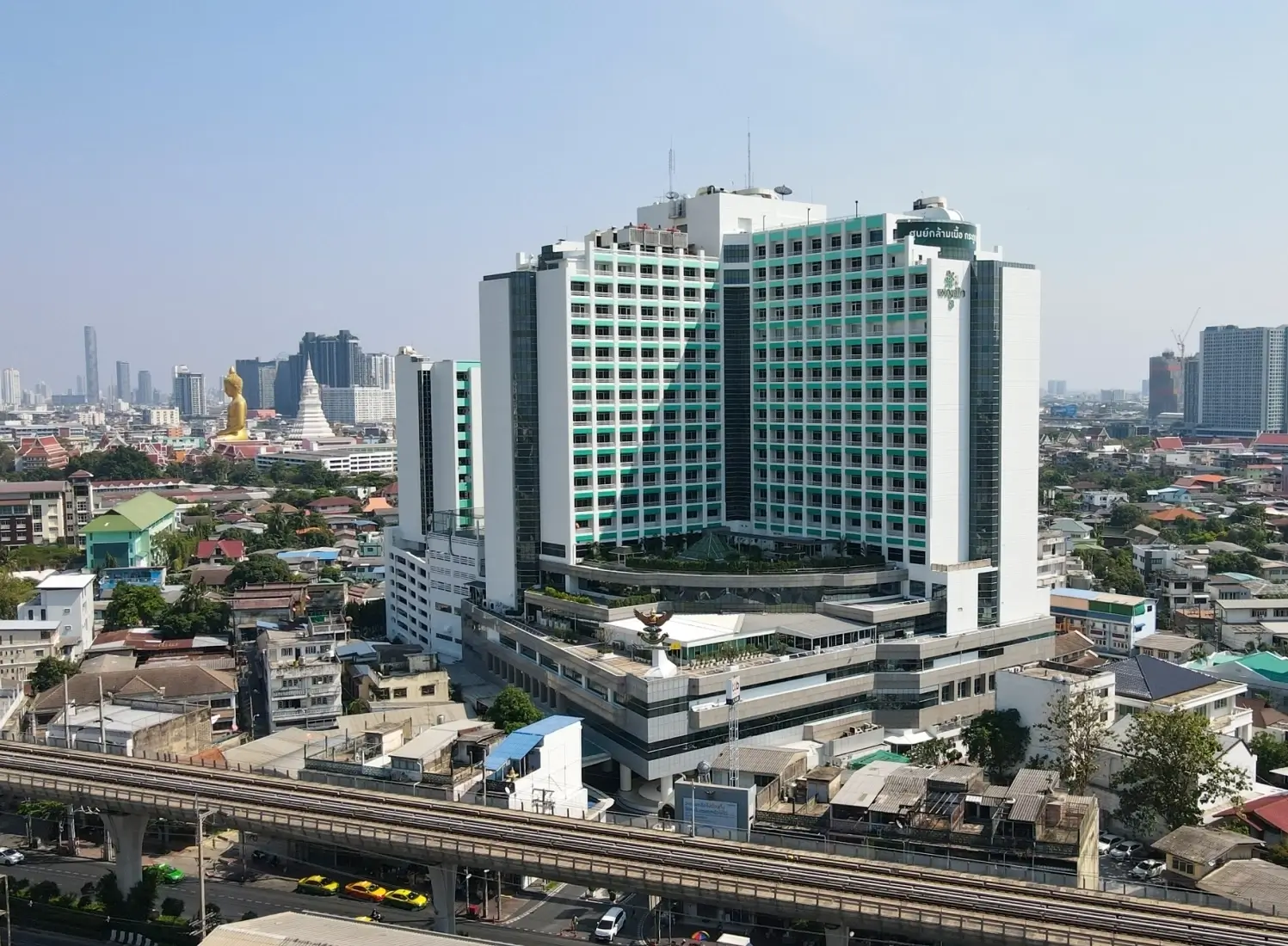
Phyathai 3 Hospital is a 300-bed private hospital in Bangkok's Thonburi area, established in 1996 and serving over 600,000 patients annually. Part of the BDMS group, the largest private hospital group in Asia pacific, the hospital is recognized for four specialized centers: Women's Health, Child and Adolescent Health (the largest in Southeast Asia), Heart Center, and Brain and Nervous System Center with advanced minimal invasive surgeries.
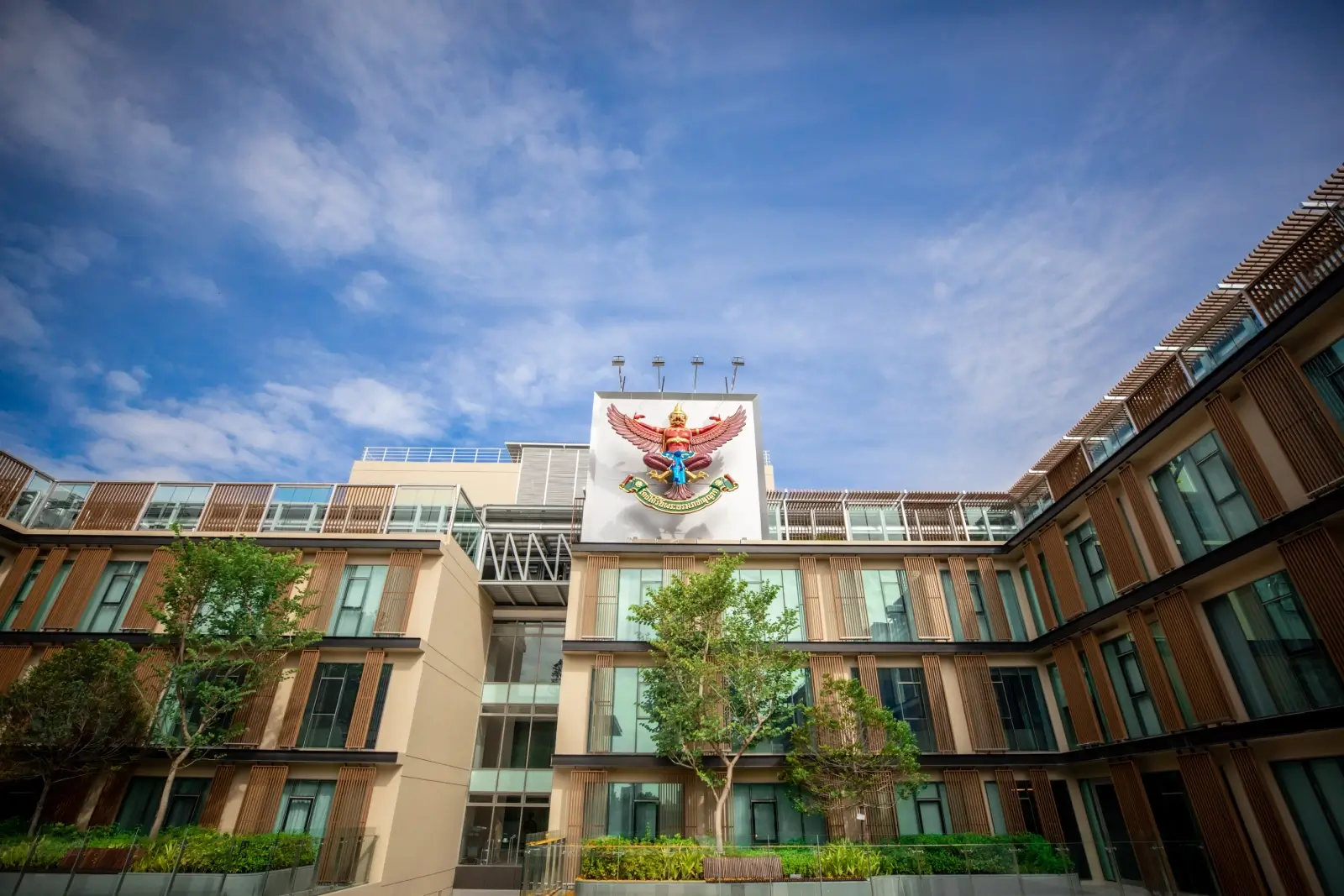
Bangkok International Hospital is a 172-bed specialty hospital focused on neurology and orthopedics, located on the Bangkok Hospital campus in central Bangkok. The facility holds JCI Clinical Care Program Certification for hip and knee surgery, low back pain, and primary stroke care. Ranked among Asia's Top Private Hospitals 2025 and Best Specialized Hospitals Asia Pacific 2024 in both neurology and orthopedics by Newsweek, the hospital has completed over 6,000 orthopedic surgeries since 2012.

Bunion surgery in Thailand typically costs between $2,800 and $5,500 depending on the surgical technique and hospital. Simple bunionectomy procedures start around $2,800-3,800, while advanced techniques like Lapidus procedures or 3D bunion correction range from $4,500-5,500. These prices include the surgeon's fee, anesthesia, hospital stay, surgical hardware, and initial follow-up appointments.
Thailand offers 50-70% savings compared to US prices ($8,000-15,000) while maintaining JCI-accredited international quality standards.
Full recovery from bunion surgery takes approximately 8-12 weeks for bone healing, with most patients returning to normal activities by 3-4 months.
You'll typically be non-weight-bearing for the first 2 weeks, then gradually progress to partial weight-bearing in weeks 3-6 and full weight-bearing by week 6-8. Desk job workers can often return to work by week 3-4 with foot elevation, while jobs requiring standing or walking need 6-8 weeks off.
Swelling continues to decrease over 2-3 months, and you can usually resume running or high-impact activities after 3-4 months with surgeon clearance.
Most surgeons clear patients to fly 10-14 days post-surgery if healing progresses normally. The primary concerns are wound healing, swelling management during the flight, and blood clot risk. Y
our surgeon will verify wound healing and bone alignment through X-rays at your follow-up appointment before approving travel. Book aisle seats for easy bathroom access, wear compression stockings, and request wheelchair assistance at airports. Stay well-hydrated during the flight and try to elevate your foot as much as space allows.
Plan to stay 10-16 days in Thailand for bunion surgery. The minimum 10-12 day stay allows for surgery, initial recovery, and one follow-up appointment before flying home.
The recommended 14-16 day stay provides more recovery time and includes two follow-up appointments for better healing confirmation. This timeline ensures you can fly comfortably and gives your surgeon adequate time to monitor early healing. Some patients extend to 3 weeks for extra recovery time or to combine medical care with light tourism once mobile on crutches.
Most surgeons recommend against bilateral bunion surgery during a single visit for safety and practical reasons. You need one good foot for mobility during recovery. Some patients schedule both feet 6-12 months apart, returning to Thailand for the second procedure. However, certain surgeons may consider staged bilateral surgery (one foot, then the other foot 4-6 weeks later) if you can arrange extended stay and have caregiver support.


Pam and Konkai Health were absolute rock stars in helping us find a fantastic surgeon for my boyfriend's hip replacement in Thailand. We had previously paid for a service to help us find a doctor and it was just throwing money away. The paid service was slow to respond and only offered us quotes for the most expensive hospitals.
Pam on the other hand was a completely free service and was always quick to reply, patient with all of our questions, and presented a variety of options in our price range. She made the entire process of finding a doctor, setting up video conferences, and scheduling the surgery extremely easy. She continued to help us even after the surgery had taken place with follow up visits and final questions we had before traveling back home. We cannot recommend her highly enough!!! We will definitely be using her again for our next surgical needs.

The service has been great facilitating and making arrangements for my procedure. They are very quick with responses and answering questions.
Many thanks to Konkai. After an online inquiry Konkai guided me to Praram9 orthopedic for a consultation on a hip injury. I had the consultation, clearly a femeral head collapse and needing the hip joint replacement. The beauty was in a half day full consultation, x-ray, ekg, blood work, chest exam ... everything needed to proceed with surgery was done.
This was so professionally and efficiently done, all questions answered, no consultants, no referrals etc., all in house, all guided around the hospital. A friendly caring class act. So I then came back to Konkai to setup for the operation, with the same orthopedic team led by Dr. Peerapong that made the assessment. I returned 2 weeks later, admitted, had the replacement operation stayed 5 days with the hospital team, and quite frankly, it was a privilege to be in their care.
Now after 10 days recovery in Bangkok i am ready to return home. Why Thailand, well in my country New Zealand, you get passed around to specialists, consultants, it all takes time, does not engender trust, and i think the profit motive is primary like the American system. Further, there are less facilities so more waiting for slots. Thailand has a care culture, and the expertise and professionalism with Konkai and Praram9 is superb. They have top quality facilities and capacity to fit your schedule.
If i ever need any major surgery, this will be my first stop. Thanks again
"Whilst searching for information on getting my cataracts done, I found that most websites do not provide sufficient information. I was fortunate enough to find Konkai.Health and connect with Pam.
She and other members of Konkai go far and beyond to do everything possible to give you the best advice.
I highly recommend this company for health related matters whilst you are in Thailand. Real five star assistance."
Outstanding. The most safe, amazing communication these past couple of months with Pam from Konkai health. I asked soooo many questions there must be around 80+ emails from me and every single one has been replied in full. Even now 2 weeks after surgery. Super professional, and the surgeon Dr Thawatchai Boonpadhanapong, at Yanhee Hospital that Pam recommended to me for a breast implant removal, were just incredible. No money deposits asked for…just pure care.
The service and systems at Yanhee were out the gate. I am so glad I travelled all that way and didn’t do it in New Zealand as I don’t think it would’ve been as good haha. I was so looked after by the amazing nurses, anaesthetist, Dr Thawatchai and my interpreter Mr Wing. It’s overwhelming looking for the right fit and if it wasn’t for Konkai Health and Pam I wouldn’t be feeling as happy as I am now 2 weeks after my surgery. I cannot thank you enough for what feels like a life transformation :)
I came to Thailand from America for a liposuction in last week. In a Google search, back in May, I came across Konkai Health and decided to reach out to them.For my surgery Pam, recommended Rattinan Clinic out of Bangkok. Pam was able to connect me with the clinic to set up a consultation. The process was very easy.I recommend Konkai Health and Rattinan Clinic. Both are 10/10
"I live in New Zealand, and my partner and I went on a holiday in Laos (Asia). I became sick and needed an emergency stomach operation. I reached out to this company, and they have been nothing but helpful.
They helped us with translating in Laos; they organised a taxi driver who was waiting for us at arrival and drove us to the hospital, where they organised a scan for me. I only needed to show my passport and an email when I arrived. I was already in the system for the appointment.
Everything went really smoothly. The company is professional and reliable, and the staff is super friendly too. I would highly recommend this company. I am grateful for the great service this company offered when I was in need."

"I can say that the whole medical journey was very pleasant. The information given before the actual start was good. The meeting and intake with the doctor was clear.
Konkai Health was always responding fast and helpful if I came up with questions. And the actual surgery had a good outcome also. Now I just ended my last check-up, and I am very delighted how everything went."
Pam from Konkai just made the right match for my plastic surgery, not only did it make me safe time, but the chosen doctor was just exceeding my expectations! Thank you so muxh 🙏🏼
I highly recommend their expertise and thankful for having been a patient at Yanhee hospital! …
I am recommended by one of my friends in Bangkok that eye surgery at LASIK hospital is excellently and exceptionally done. With his recommendation, I approached Konkai who were quick to respond to my questions and give appointment date.





.svg)

.png)
