
CONTACT US for a free quote
Plan Your Medical Procedure with Our Dedicated Care Team

Excellent reviews

1500+ Happy Clients

Free cost indication
Oops! Something went wrong while submitting the form.

Get world-class care at vetted and accredited hospitals in Thailand.
Save up to 80% with internationally trained surgeons and state-of-the-art facilities.
Limb lengthening surgery in Thailand combines experienced orthopedic surgeons, advanced PRECICE technology, and JCI-accredited hospitals at costs 50-70% below Western countries. Thailand's specialized orthopedic centers like Vejthani Hospital (nicknamed "King of Bones") perform many limb lengthening procedures annually using both internal magnetic nails and external fixation methods, offering patients comprehensive rehabilitation support throughout the 6-9 month process.
Leg lengthening surgery costs $30,000-$50,000 in Thailand for cosmetic height increase procedures, compared to $75,000-$150,000 in the United States or $70,000-$100,000 AUD in Australia. Height extension surgery is available to international patients within 3-4 weeks of initial consultation, and Bangkok's hospitals provide dedicated long-term accommodation and physical therapy facilities essential for the extended recovery period. Most patients achieve 5-8cm height gain through femur lengthening or 4-6cm through tibia lengthening procedures.
Please note that the prices provided are estimations and may vary based on various factors. Additionally, these prices do not include flights or accommodation.
All prices are in USD, unless otherwise indicated.
1. No waiting lists with immediate scheduling: Thailand hospitals schedule limb lengthening surgery within 2-3 weeks of initial consultation, compared to 1-3 month wait times in the US or unavailability through UK NHS.
2. Cost savings of 50-70% including extended stay expenses: Height surgery costs $75,000-$150,000 in the United States for surgery alone, while Thailand's comprehensive packages cost $30,000-$50,000 including hospitalization, hardware, and initial rehabilitation. Even accounting for 6-9 month accommodation ($6,000-$18,000), meals ($3,600-$9,000), and flights ($1,200-$2,400), total Thailand trip cost of $40,800-$79,400 remains 40-60% below US surgery-only pricing. Australian patients face $70,000-$100,000 AUD ($45,000-$65,000 USD) with similar wait times, making Thailand financially advantageous even with travel costs.
3. Experienced orthopedic surgeons with international fellowship training: Vejthani Hospital's orthopedic team completed fellowship training at leading international centers in limb reconstruction and deformity correction, performing thousands of complex lengthening procedures annually. Surgeons maintain active memberships in international orthopedic societies including SICOT (International Society of Orthopaedic Surgery and Traumatology) and ASAMI (Association for the Study and Application of the Methods of Ilizarov).
4. JCI-accredited facilities with comprehensive long-term care coordination: Vejthani Hospital (JCI-accredited since 2005) and Bumrungrad's Orthopedic Center maintain Joint Commission International accreditation requiring identical safety standards to top American hospitals. This matters especially for limb lengthening's 6-9 month recovery requiring consistent quality care throughout the process.
Limb lengthening surgery, also called leg lengthening or height extension surgery, gradually increases bone length through distraction osteogenesis. Surgeons cut the bone (osteotomy) and attach a lengthening device creating controlled gap between bone segments. The body fills this gap with new bone tissue as the device slowly separates cut ends at 1mm per day, allowing bones to grow 5-8cm longer over 2-3 months while simultaneously stretching muscles, blood vessels, and nerves at safe pace.
The procedure serves two patient groups. Medical cases correct leg length discrepancy from birth defects (fibular hemimelia, congenital femoral deficiency), growth plate injuries, or bone infections. Patients with one leg 3-10cm shorter face gait abnormalities and chronic back pain that lengthening eliminates. Cosmetic cases involve adults who completed natural bone growth seeking 5-12cm height increase. Most cosmetic patients are men between 20-40 years old, though the surgery also serves women seeking proportionate leg length.
Femur lengthening (thigh bone) typically achieves 5-8cm height gain creating natural body proportions since most height variation between people comes from femur length differences. Tibia lengthening (shin bone) adds 4-6cm but creates slightly less natural proportions with longer shins relative to thighs. Some patients undergo both femur and tibia lengthening in staged procedures (femur first, tibia 12-18 months later) for 8-12cm total height gain, though this doubles surgery costs and recovery time to 24-36 months.
The process follows three phases over 6-12 months. Surgery phase involves osteotomy and device implantation (2-4 hours per leg under general anesthesia). Distraction phase gradually separates bone segments at 1mm daily for 60-90 days depending on desired length. Consolidation phase allows new bone to harden completely, taking approximately twice as long as distraction (120-180 days). During consolidation, patients progressively increase weight-bearing and physical activity. Full recovery including return to high-impact sports requires 12-18 months.
PRECICE Internal Magnetic Nail
PRECICE is fully internal telescopic rod inserted inside bone marrow cavity. External magnetic controller held against skin activates internal motor extending nail 1mm daily. No visible hardware, dramatically lower infection risk (<2% vs 5-10%), normal showering and clothing possible throughout 6-9 months. More socially acceptable during recovery with no external frame. Allows weight-bearing throughout distraction phase.
Disadvantages include higher cost ($35,000-$50,000 including hardware), requires second surgery to remove nail 12-18 months later, and less ability to adjust lengthening rate if complications develop. Best for cosmetic patients prioritizing aesthetics, professionals maintaining work during recovery, and single-segment lengthening.
LON (Lengthening Over Nail) Method
LON combines internal nail with external circular fixator attached to bone with pins. External fixator controls lengthening through mechanical struts adjusted 4 times daily. Once desired length achieved (60-90 days), surgeons remove external fixator in minor outpatient procedure, leaving internal nail supporting bone during consolidation.
Advantages include faster consolidation than external-only method, external fixator removed after 2-3 months versus 6-9 months, lower hardware cost than PRECICE, and surgeons easily adjust lengthening rate if complications develop. Disadvantages include external fixator visible for 2-3 months, pin sites requiring daily cleaning, cannot shower normally during distraction, and more painful due to pins through muscle. Cost ranges $30,000-$40,000.
Best for patients needing deformity correction simultaneously with lengthening, those with complex bone issues, patients prioritizing faster consolidation over aesthetics, and budget-conscious patients seeking middle-ground option.
External Fixator Only
Traditional method uses only external circular fixator (Ilizarov or Holyfix) with no internal hardware. Frame's mechanical struts manually adjusted 4 times daily for 1mm lengthening. External fixator remains for entire distraction AND consolidation phases (6-9 months total) until bone fully hardens.
Lowest upfront cost ($25,000-$35,000), no second surgery required, surgeon has maximum control, suitable for most complex deformities. Disadvantages include external frame visible entire 6-9 months, highest infection risk (5-10% pin site infections), most painful method, significant lifestyle restrictions, and social stigma of visible frame.
Best for medical cases with severe deformities, patients with previous failed lengthening, complex revision cases, and patients who cannot afford internal hardware.
Vejthani Hospital earned nickname "King of Bones" through decades of orthopedic excellence in complex limb reconstruction. JCI-accredited since 2005, Vejthani operates Thailand's premier orthopedic center with subspecialists in limb lengthening and deformity correction.
Capabilities: PRECICE 2.2 internal nails, LON method, traditional external fixation, both femur and tibia lengthening, bilateral or unilateral procedures, pediatric and adult reconstruction.
Team: Fellowship-trained limb reconstruction surgeons, 24/7 orthopedic coverage, English-speaking orthopedic nurses, international patient coordinators.
Facilities: On-site physical therapy gym with daily PT throughout distraction, dedicated limb lengthening rehabilitation protocols, pain management specialists, hospital-affiliated serviced apartments within 1km ($1,000-$2,500 monthly).
Pricing: Contact Konkai for current pricing. As Thailand's premier orthopedic hospital, pricing reflects extensive subspecialty expertise.
Bumrungrad International Hospital operates Southeast Asia's largest private hospital treating over 50,000 orthopedic cases annually. Comprehensive Orthopedic Center serves 1.1 million patients per year.
Capabilities: PRECICE internal nails, LON method with internal support, external fixation for complex cases, computerized deformity planning, 3D imaging for precise osteotomy placement.
Team: Board-certified orthopedic surgeons, subspecialists in limb deformity, bilingual surgeons (English/Thai), 24-hour orthopedic emergency services.
Facilities: Comprehensive physical therapy center, hydrotherapy pools, sports medicine rehabilitation, interpreters in 20+ languages, medical visa assistance.
Pricing: Contact Konkai for current pricing. Premium international hospital pricing includes extensive international patient services.
Best for: International patients seeking comprehensive medical tourism services, those prioritizing English fluency, patients combining multiple procedures, families traveling together.
Pre-Arrival (4-6 Weeks): Contact Konkai Health with medical history and X-rays, virtual consultation with surgeon discusses realistic expectations (5-8cm femur, 4-6cm tibia), treatment plan created including technique selection, book one-way flight (exact return depends on healing progress), arrange long-term accommodation near hospital for 6-9 month stay.
Arrival Week (Pre-Operative Assessment): Hospital admission for 1-2 nights, meet surgeon in person, X-rays and CT scans plan precise osteotomy location, complete blood work and EKG, anesthesia consultation, meet physical therapy team.
Surgery Day: General anesthesia, osteotomy performed (bone cut), device implantation (PRECICE nail or external fixator), surgery duration 2-3 hours single leg or 4-5 hours bilateral, recovery room 2-4 hours.
Hospital Stay (5-7 Days): First 24 hours intensive monitoring, pain management with IV then oral medications, check X-rays verify device placement, begin gentle range of motion with physical therapist, learn crutch walking (partial weight-bearing only), discharge with prescriptions and wound care instructions.
Distraction Phase (60-90 Days): Lengthening begins 5-7 days after surgery, 1mm per day bone separation (0.25mm 4 times daily or 1mm once with PRECICE), weekly X-rays measure progress, daily physical therapy prevents stiffness, muscle stretching becomes primary focus, most patients manage pain with over-counter medications by week 2-3.
Patients walk with crutches progressing to canes during this phase. Knee and ankle joints require aggressive PT to prevent contractures. Some experience temporary nerve stretching symptoms (numbness, tingling) requiring slower distraction rate. This phase demands staying near hospital in Thailand for weekly monitoring and potential adjustments.
Consolidation Phase (120-180 Days): Distraction stopped, waiting for new bone to harden completely (takes 2x distraction time), X-rays every 2-3 weeks monitor bone mineralization, physical therapy continues focusing on strength and endurance, weight-bearing progressed from partial to full, many patients transition from crutches to independent walking by month 3-4.
Some surgeons clear patients to return home after 5-6 months when bone shows good consolidation, completing final phase with local orthopedic follow-up. Others recommend staying full 6-9 months under original surgeon.
Full Recovery (12-18 Months): Bone fully consolidated, return to normal daily activities including work, light recreational activities (swimming, cycling, walking), no high-impact activities until 12-18 months (running, jumping, contact sports), hardware removal if PRECICE (12-18 months post-op).
Surgery & Medical Costs
Medical Subtotal: $37,000-$66,000
Living Expenses (6-9 Months)
Living Subtotal: $7,840-$46,460
Total Trip Cost Range: $44,840-$112,460
Even at high end, total Thailand cost remains 20-40% below US surgery-only pricing. Mid-range scenario (LON method, 9 months, comfortable accommodation) typically runs $65,000-$75,000 total.
Pre-vetted facilities chosen by our team that meet our rigorous standards for quality and safety

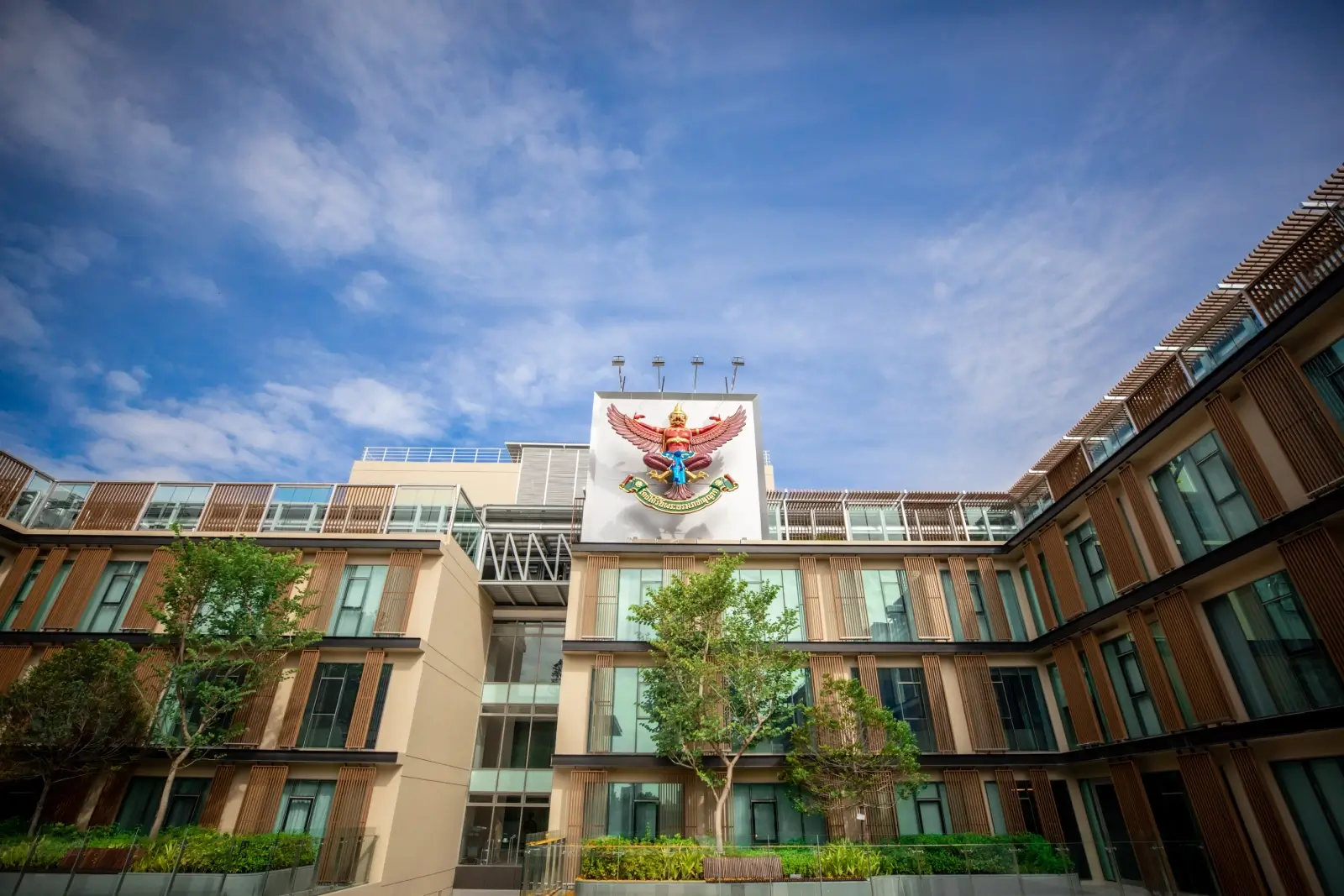
Vejthani Hospital is a 263-bed JCI-accredited tertiary care hospital in Bangkok's Bang Kapi district, established in 1994. Known as "King of Bones," the hospital has performed over 10,000 joint replacement surgeries and serves 300,000+ patients from 100+ countries annually. Vejthani holds CCPC certifications for knee replacement, hip replacement, lumbar surgery, and infertility, with translation services in 20+ languages.
Bangkok International Hospital is a 172-bed specialty hospital focused on neurology and orthopedics, located on the Bangkok Hospital campus in central Bangkok. The facility holds JCI Clinical Care Program Certification for hip and knee surgery, low back pain, and primary stroke care. Ranked among Asia's Top Private Hospitals 2025 and Best Specialized Hospitals Asia Pacific 2024 in both neurology and orthopedics by Newsweek, the hospital has completed over 6,000 orthopedic surgeries since 2012.

Limb lengthening costs $30,000-$50,000 in Thailand depending on technique. PRECICE internal nail costs $35,000-$50,000, LON method costs $30,000-$40,000, and external fixator costs $25,000-$35,000. These prices include hospital stay, surgery, device hardware, and initial follow-up. Additional costs for 6-9 month Thailand stay include accommodation ($3,600-$22,500), meals ($1,800-$13,500), physical therapy ($5,000-$10,000 if not included), and flights ($800-$1,500). Total trip cost ranges $45,000-$120,000. Contact Konkai for detailed package pricing.
Femur lengthening achieves 5-8cm (2-3 inches) safely. Tibia lengthening achieves 4-6cm (1.5-2.4 inches). These limits exist because lengthening beyond 20% of original bone length causes complications including nerve damage, contractures, and compartment syndrome. Patients seeking more undergo two separate procedures (femur first, tibia 12-18 months later) for 8-12cm total, requiring 24-36 months commitment and $60,000-$100,000 cost. Attempting >8cm femur or >6cm tibia in single procedure dramatically increases complication rates.
Complete limb lengthening requires 6-9 months in Thailand. Distraction phase (2-3 months) lengthens bone at 1mm daily, consolidation phase (3-4 months) hardens new bone sufficiently for independent walking, and final consolidation (3-6 months) completes bone mineralization. Some surgeons clear patients to fly home after 5-6 months for final consolidation with local orthopedic follow-up. Full recovery including return to high-impact sports requires 12-18 months total from surgery date. Patients cannot fly home during distraction phase (first 2-3 months) due to need for weekly X-rays and monitoring.
Not during distraction phase (first 2-3 months). Patients MUST remain in Thailand near surgeon during active lengthening for weekly X-rays, complication monitoring, and potential lengthening rate adjustments. Flying home during distraction risks serious complications without immediate surgical intervention available. After distraction completes and consolidation begins (months 3-4), some surgeons clear patients to return home IF they arrange local orthopedic follow-up. This requires finding orthopedic surgeon in home country willing to monitor lengthening patient (many decline). Most patients stay 5-6 months minimum before flying internationally.


Pam and Konkai Health were absolute rock stars in helping us find a fantastic surgeon for my boyfriend's hip replacement in Thailand. We had previously paid for a service to help us find a doctor and it was just throwing money away. The paid service was slow to respond and only offered us quotes for the most expensive hospitals.
Pam on the other hand was a completely free service and was always quick to reply, patient with all of our questions, and presented a variety of options in our price range. She made the entire process of finding a doctor, setting up video conferences, and scheduling the surgery extremely easy. She continued to help us even after the surgery had taken place with follow up visits and final questions we had before traveling back home. We cannot recommend her highly enough!!! We will definitely be using her again for our next surgical needs.

The service has been great facilitating and making arrangements for my procedure. They are very quick with responses and answering questions.
Many thanks to Konkai. After an online inquiry Konkai guided me to Praram9 orthopedic for a consultation on a hip injury. I had the consultation, clearly a femeral head collapse and needing the hip joint replacement. The beauty was in a half day full consultation, x-ray, ekg, blood work, chest exam ... everything needed to proceed with surgery was done.
This was so professionally and efficiently done, all questions answered, no consultants, no referrals etc., all in house, all guided around the hospital. A friendly caring class act. So I then came back to Konkai to setup for the operation, with the same orthopedic team led by Dr. Peerapong that made the assessment. I returned 2 weeks later, admitted, had the replacement operation stayed 5 days with the hospital team, and quite frankly, it was a privilege to be in their care.
Now after 10 days recovery in Bangkok i am ready to return home. Why Thailand, well in my country New Zealand, you get passed around to specialists, consultants, it all takes time, does not engender trust, and i think the profit motive is primary like the American system. Further, there are less facilities so more waiting for slots. Thailand has a care culture, and the expertise and professionalism with Konkai and Praram9 is superb. They have top quality facilities and capacity to fit your schedule.
If i ever need any major surgery, this will be my first stop. Thanks again
"Whilst searching for information on getting my cataracts done, I found that most websites do not provide sufficient information. I was fortunate enough to find Konkai.Health and connect with Pam.
She and other members of Konkai go far and beyond to do everything possible to give you the best advice.
I highly recommend this company for health related matters whilst you are in Thailand. Real five star assistance."
Outstanding. The most safe, amazing communication these past couple of months with Pam from Konkai health. I asked soooo many questions there must be around 80+ emails from me and every single one has been replied in full. Even now 2 weeks after surgery. Super professional, and the surgeon Dr Thawatchai Boonpadhanapong, at Yanhee Hospital that Pam recommended to me for a breast implant removal, were just incredible. No money deposits asked for…just pure care.
The service and systems at Yanhee were out the gate. I am so glad I travelled all that way and didn’t do it in New Zealand as I don’t think it would’ve been as good haha. I was so looked after by the amazing nurses, anaesthetist, Dr Thawatchai and my interpreter Mr Wing. It’s overwhelming looking for the right fit and if it wasn’t for Konkai Health and Pam I wouldn’t be feeling as happy as I am now 2 weeks after my surgery. I cannot thank you enough for what feels like a life transformation :)
I came to Thailand from America for a liposuction in last week. In a Google search, back in May, I came across Konkai Health and decided to reach out to them.For my surgery Pam, recommended Rattinan Clinic out of Bangkok. Pam was able to connect me with the clinic to set up a consultation. The process was very easy.I recommend Konkai Health and Rattinan Clinic. Both are 10/10
"I live in New Zealand, and my partner and I went on a holiday in Laos (Asia). I became sick and needed an emergency stomach operation. I reached out to this company, and they have been nothing but helpful.
They helped us with translating in Laos; they organised a taxi driver who was waiting for us at arrival and drove us to the hospital, where they organised a scan for me. I only needed to show my passport and an email when I arrived. I was already in the system for the appointment.
Everything went really smoothly. The company is professional and reliable, and the staff is super friendly too. I would highly recommend this company. I am grateful for the great service this company offered when I was in need."

"I can say that the whole medical journey was very pleasant. The information given before the actual start was good. The meeting and intake with the doctor was clear.
Konkai Health was always responding fast and helpful if I came up with questions. And the actual surgery had a good outcome also. Now I just ended my last check-up, and I am very delighted how everything went."
Pam from Konkai just made the right match for my plastic surgery, not only did it make me safe time, but the chosen doctor was just exceeding my expectations! Thank you so muxh 🙏🏼
I highly recommend their expertise and thankful for having been a patient at Yanhee hospital! …
I am recommended by one of my friends in Bangkok that eye surgery at LASIK hospital is excellently and exceptionally done. With his recommendation, I approached Konkai who were quick to respond to my questions and give appointment date.





.svg)

.png)
